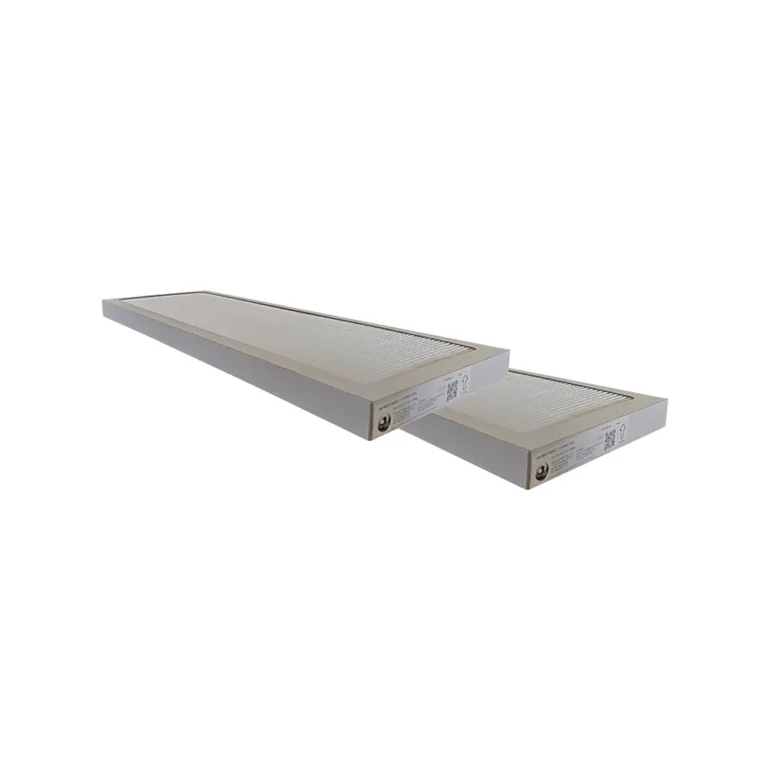
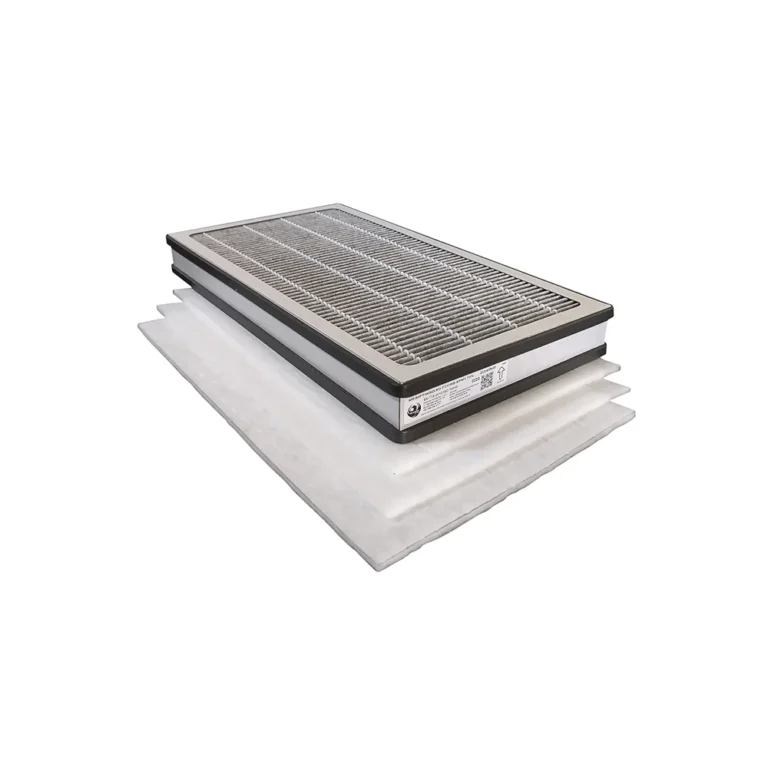
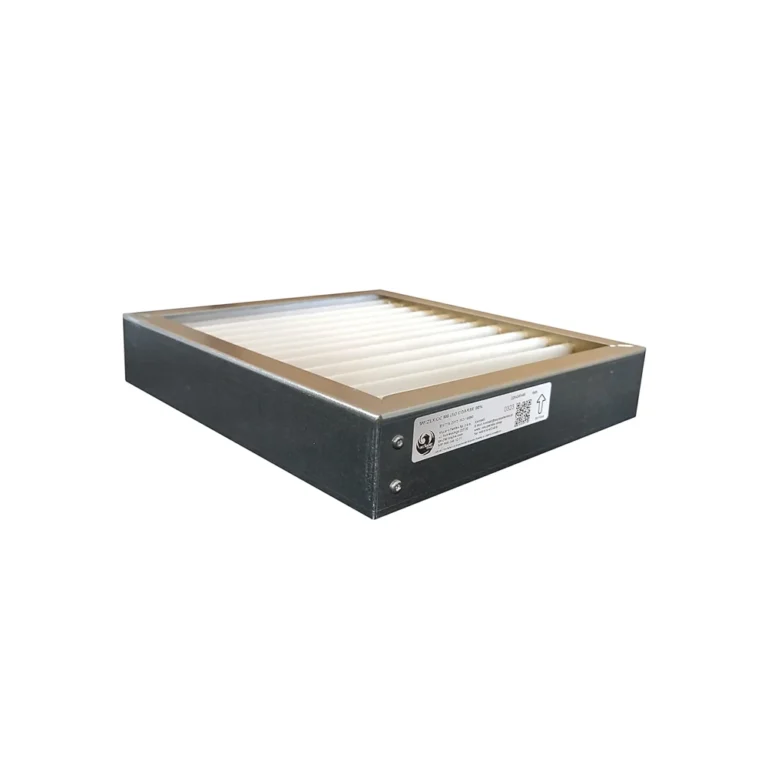
Absolute filters are a key component of ventilation and air conditioning systems that require the highest level of air purity. Their task is to remove even the smallest particles of dust, microorganisms or allergens, so they are used in places such as laboratories, hospitals, the pharmaceutical industry and precision electronics. But have you wondered what makes them so effective?
They are based on advanced filter materials that trap particles as small as 0.3 microns. That’s about the size of a speck of dust you can’t see with the naked eye. In practice, this means almost absolute elimination of contaminants. Then there’s the robust construction, which ensures durability and reliability even in the most demanding conditions. Some models are equipped with aluminum or stainless steel frames, which further increases their resistance to damage.
Did you know that absolute filters are often used in clean rooms? This is where even the smallest amount of dust could ruin production or research. They keep the air almost sterile, which is crucial in processes that require the utmost precision. At home you are unlikely to need them, but in industry – they are irreplaceable.
If you care about reliability and efficiency, it is worth paying attention to parameters such as EPA or HEPA filtration class. Choosing the right absolute filter is an investment in safety and air quality – and after all, it’s priceless, right?
Absolute filters – reliability in its purest form
Have you ever wondered how important clean air is in places where precision and hygiene play a key role? Absolute filters are the answer to the needs of those who require the highest quality filtration. In laboratories, hospitals or manufacturing plants, where even the smallest speck of dust can affect work results, absolute filters become indispensable. But what are they really and why should they be used?
What are absolute filters?
Simply put, absolute filters are advanced filtration devices that remove almost 100% of contaminants from the air. They are distinguished by their ability to retain microscopically small particles, such as dust, bacteria, viruses and even chemical aerosols. In practice, this means that the air flowing through such a filter is almost completely free of contaminants. Doesn’t that sound impressive?
How do absolute filters work?
The basis of the operation of absolute filters is the special structure of their filter medium. Most often, glass fibers are used, which form a dense matrix with very small pores. Air passing through the filter is forced to traverse this dense network, while contaminants are effectively trapped. It’s a bit like a sieve that lets through only the finest particles, trapping anything larger.
Interestingly, the effectiveness of absolute filters is determined in percentages. The most advanced models achieve an efficiency of 99.995%, which means that for every million particles of pollutants in the air, only five will pass through the filter. Sounds like magic, doesn’t it?
Where are absolute filters used?
Absolute filters are used wherever air purity is critical. Here are some examples:
- Hospitals and laboratories: In rooms such as operating rooms and microbiology laboratories, where sterility is a priority.
- Pharmaceutical industry: Drug manufacturing requires an extremely clean environment to avoid contamination.
- Electronics: In facilities that manufacture electronic components, where even a speck of dust can damage delicate circuits.
- Food industry: Ensuring hygienic production conditions is a must in the food industry.
- Public spaces: Absolute filters are increasingly appearing in the ventilation systems of airports or hotels, where air quality affects the comfort of users.
Types of absolute filters
Not all absolute filters are the same. Depending on your needs, we can distinguish several types of them:
- EPA (Efficiency Particulate Air) filters: A popular type of absolute filters, used both in industry and in home air purifiers. They effectively trap particles of 0.3 microns and larger.
- HEPA (High Efficiency Particulate Air) filters: The most common type of absolute filters, used in both industrial and home air purifiers. They effectively trap particles of 0.3 microns and larger.
Choosing the right filter depends on the specific requirements of your environment. Sometimes a standard EPA filter is enough, but in more demanding conditions it is worth investing in a HEPA.
Why invest in absolute filters?
It may seem that absolute filters are a solution exclusively for industry or medicine. Nothing could be further from the truth! More and more people are choosing to use them in their homes, especially if they suffer from allergies or live in smog-polluted cities. Imagine breathing air free of dust, allergens and other harmful substances. Sounds tempting, doesn’t it?
Absolute filters are also an investment in health. In workplaces where people spend many hours a day, clean air translates into better well-being, higher productivity and lower risk of disease. And after all, health is priceless.
How to take care of absolute filters?
Absolute filters, while extremely effective, require proper maintenance. Regular replacement of filter cartridges is essential to ensure their optimal performance. Depending on the intensity of use, filters should be replaced every few months or once a year. It is also worth remembering to regularly clean the equipment in which they are installed to avoid the accumulation of dust and other contaminants.
And don’t forget to properly store spare filters. Moisture, dust or high temperatures can negatively affect their effectiveness. Therefore, it is best to keep them in a dry and clean place, away from direct sunlight.