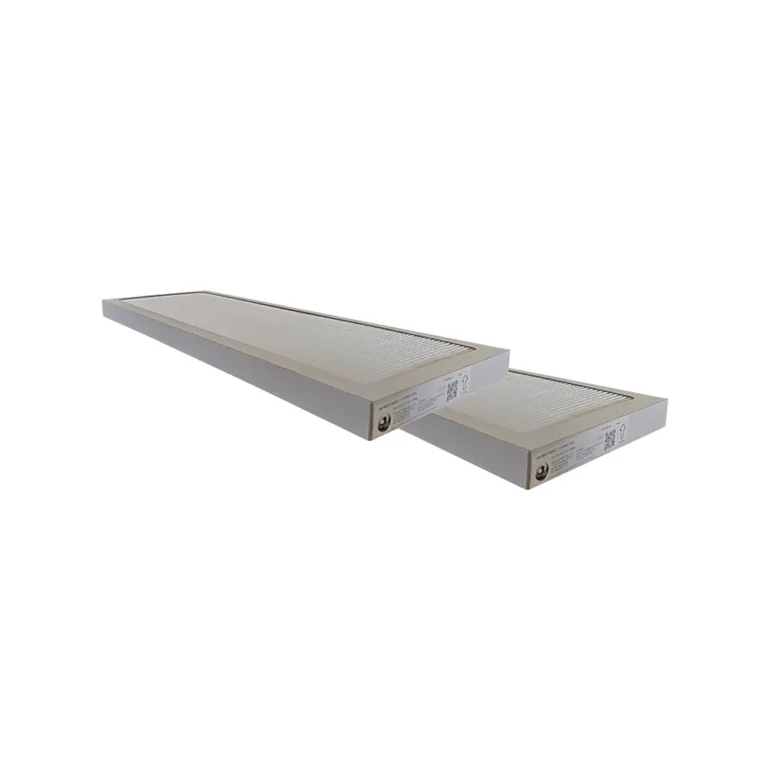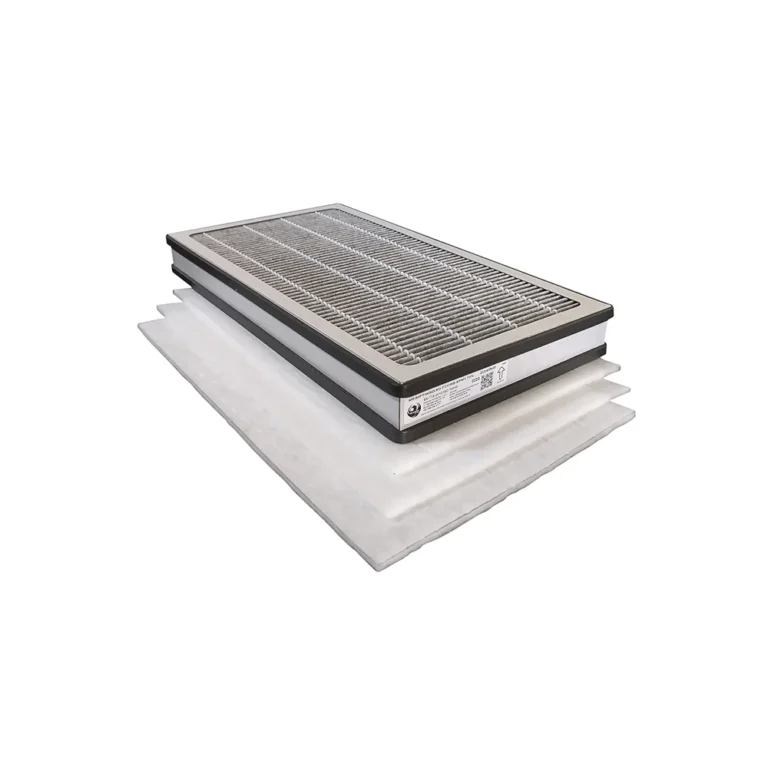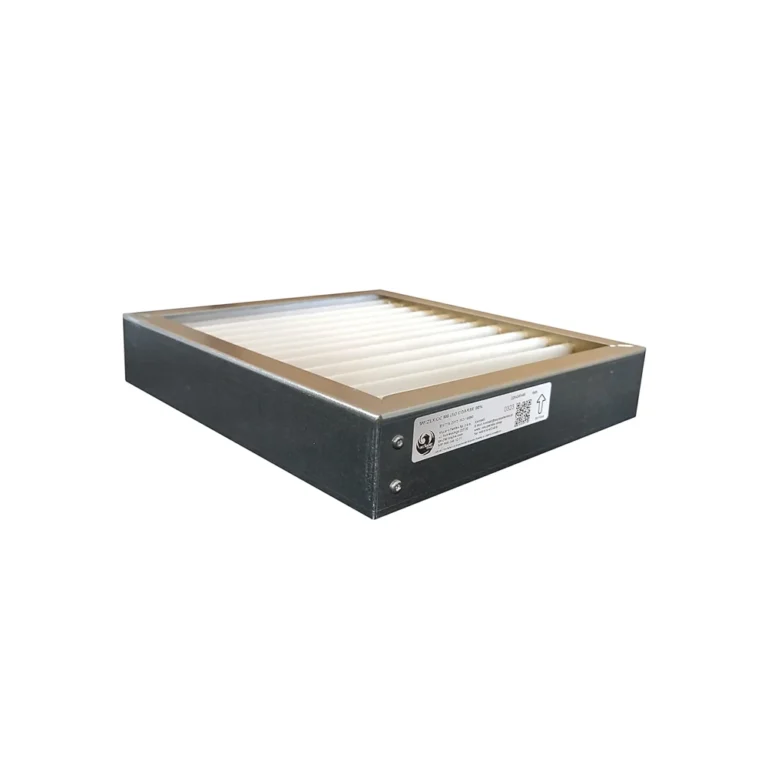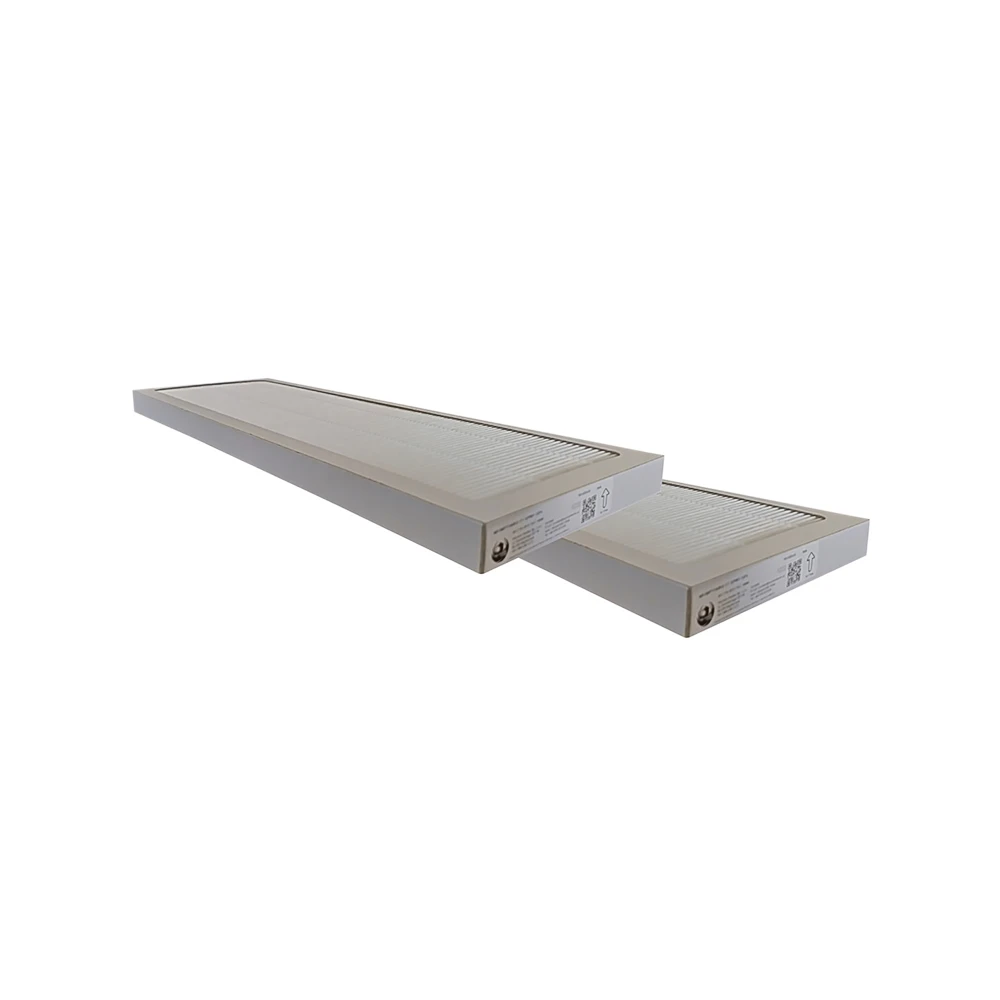
Ventilation filters are a key component of any ventilation system that takes care of indoor air quality. They are used in a variety of equipment, such as air handling units, air conditioners and recuperators. Their main task is to trap contaminants such as dust, pollen and even microorganisms that can negatively affect the health and comfort of users.
Depending on your needs, you can choose from different types of filters: from basic pre-filters, which trap larger particles, to fine filters and HEPA filters, capable of capturing even microscopic contaminants. Industrial systems often use cartridge or pocket filters, which can handle larger dust loads. But what about home installations? There, panel filters that are easy to install and replace work great.
Regular filter replacement is a must. Neglecting to do so can lead to a decrease in the efficiency of the unit, higher energy costs and even damage to the system. Besides, who would want to breathe air full of pollutants? It is also worth remembering that the choice of the right filter should be tailored to the specifics of the device and the conditions in which it is used.
Ventilation filters are not only technology, but also a concern for health. Isn’t it worth taking care of clean air in your environment?
Filters for ventilation – the key to clean air
Ventilation filters are inconspicuous but extremely important components of ventilation systems. Their task is to purify the air that enters the premises, ensuring healthy and comfortable living and working conditions. But have you ever wondered how diverse their applications can be and why choosing the right filter is so important?
Why are ventilation filters essential?
Imagine entering a room where the air is heavy, full of dust and unpleasant odors. Sounds uncomfortable, doesn’t it? Ventilation filters eliminate these problems by trapping contaminants such as dust, pollen, bacteria and even smog. They make the air cleaner, which has a direct impact on our health and well-being.
It’s not just about comfort. In many cases, like in hospitals or laboratories, air cleanliness is crucial for safety. Filters prevent the entry of harmful microorganisms, which can be of great importance in places where hygiene is a priority.
Types of ventilation filters – what to choose?
Nie wszystkie filtry są takie same. W zależności od potrzeb, systemów wentylacyjnych i specyfiki pomieszczeń, możemy wyróżnić kilka typów filtrów:
- Pre-filters: This is the first line of defense. They stop larger particles such as dust and pet hair. Ideal for homes and offices.
- Fine filters: More effective at capturing smaller pollutants such as pollen and fine smog particles. Used in areas where air quality is more important.
- HEPA filters: True masters of air purification. They remove up to 99.97% of particles as small as 0.3 microns. Indispensable in hospitals, laboratories or homes of allergy sufferers.
- Carbon filters: Specialize in eliminating odors and volatile organic compounds. Ideal for kitchens, restaurants or industrial plants.
Each of these filters has its own unique application, but they are often combined in ventilation systems to provide comprehensive protection.
Where are ventilation filters used?
Filters for ventilation are used in a variety of places and equipment. Here are some examples:
Ventilation systems in homes and apartments
In homes, filters are used in central ventilation systems, such as recuperators. They allow us to enjoy fresh air without having to open the windows – especially important in cities where smog is a daily occurrence.
Offices and commercial buildings
In offices, filters help maintain air quality, which translates into better employee productivity. After all, no one wants to work in a stuffy room, right? In addition, in larger buildings, such as shopping malls, filters protect against the spread of pollutants between rooms.
Hospitals and medical facilities
Here, air quality is crucial. HEPA and antimicrobial filters are standard, as they minimize the risk of infection and ensure sterile conditions.
Industry and manufacturing
In industrial plants, filters protect not only workers but also machinery from damage caused by dust or other contaminants. In the food or pharmaceutical industry, filters ensure compliance with strict hygiene standards.
Public transportation
In buses, trains or airplanes, filters are essential to ensure passenger comfort and safety. After all, no one wants to breathe air full of germs during a long trip.
How to take care of ventilation filters?
Filters, while extremely effective, require regular maintenance. Clogged filters not only lose their effectiveness, but can also become a source of problems – from increased energy consumption to the growth of mold or bacteria.
How often should they be replaced? This depends on the type of filter and the conditions in which it is used. In homes, replacing them every 3-6 months is usually sufficient, but in high-pollution areas, such as factories or city centers, more frequent replacement may be necessary.
What to look for when choosing a filter?
Choosing the right filter is quite a challenge. Here are some things to look out for:
- Filtration class: The higher it is, the more effective the filter. Note, however, that more advanced filters may require more powerful ventilation systems.
Type of pollution: If you’re fighting pollen, choose a fine filter. If you’re concerned about eliminating odors, go for a charcoal filter. - Compatibility with your appliance: Always check the size of the filter to see if it agrees with the one you are currently using and that its filtration class is not lower than recommended.
- Operating costs: Not only the price of the filter, but also the frequency of replacement and energy costs can influence your decision.
Bottom line – clean air at your fingertips
Ventilation filters are not just a technical accessory, but an investment in health, comfort and safety. Whether for the home, office, hospital or factory, a properly selected filter can significantly improve air quality and our daily lives.
Why are ventilation filters an essential part of your system?
Have you ever wondered what you are actually breathing in your home or office? Ventilation filters are the silent hero that takes care of air quality and, consequently, your health. Without them, your ventilation system would act like an open window in the middle of smog.
Clean air, better life
Ventilation filters eliminate dust, pollen and even tiny pollutants that may not be visible to the naked eye, but have a huge impact on your well-being. Especially if you have allergies or asthma, a well-chosen filter is an absolute must.
Which devices do they fit?
It doesn’t matter whether you have a central ventilation system, a recuperator or an air conditioner – filters are universal and suitable for different types of equipment. Just choose the right size and filtration class.
Economy and ecology
Regular filter replacement not only protects your health, but also extends the life of the equipment. Less contaminants in the system means less energy consumption. A benefit for your wallet and the environment.
Don’t wait until air becomes a problem. Take care of your environment today!