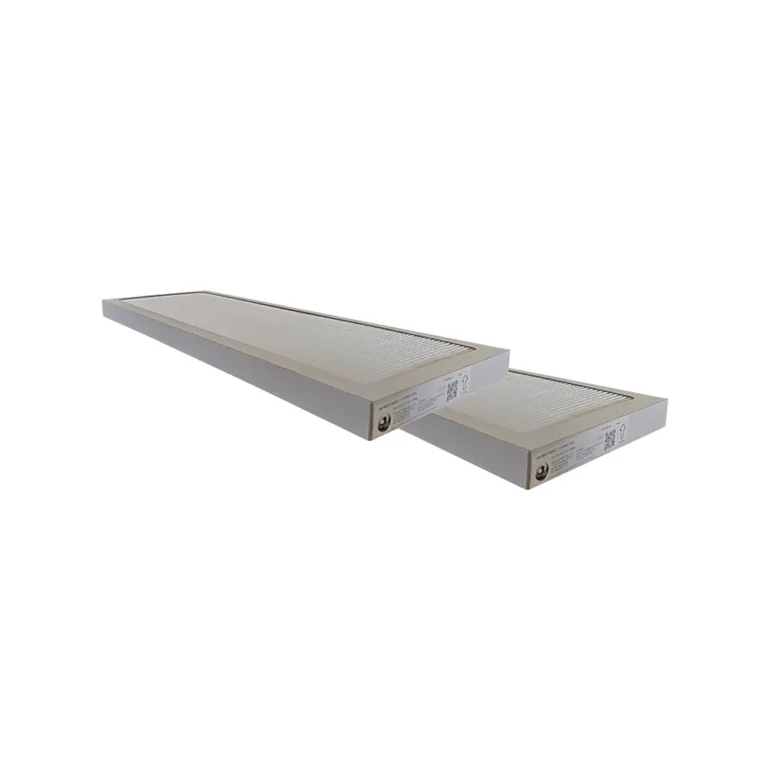
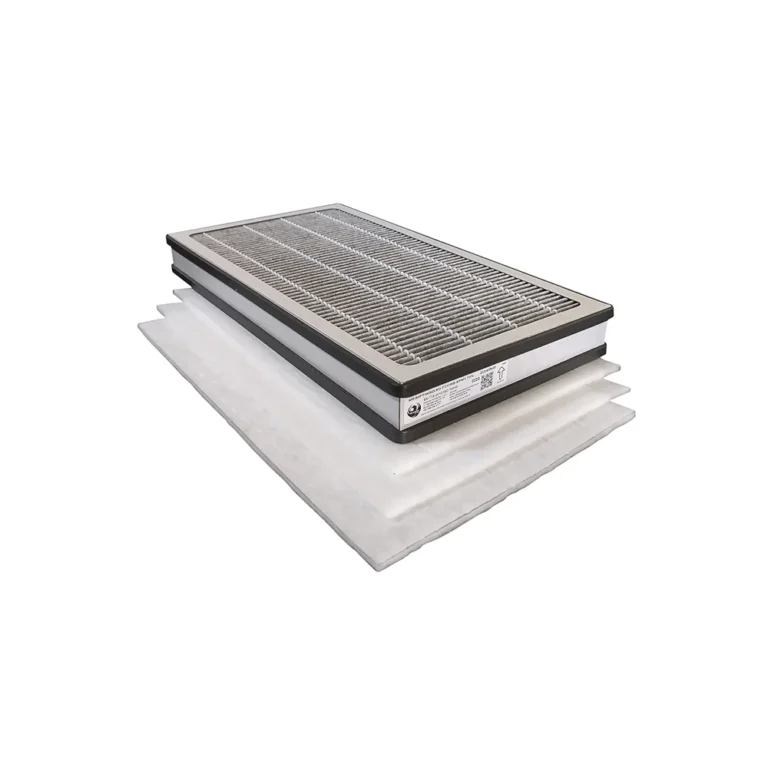
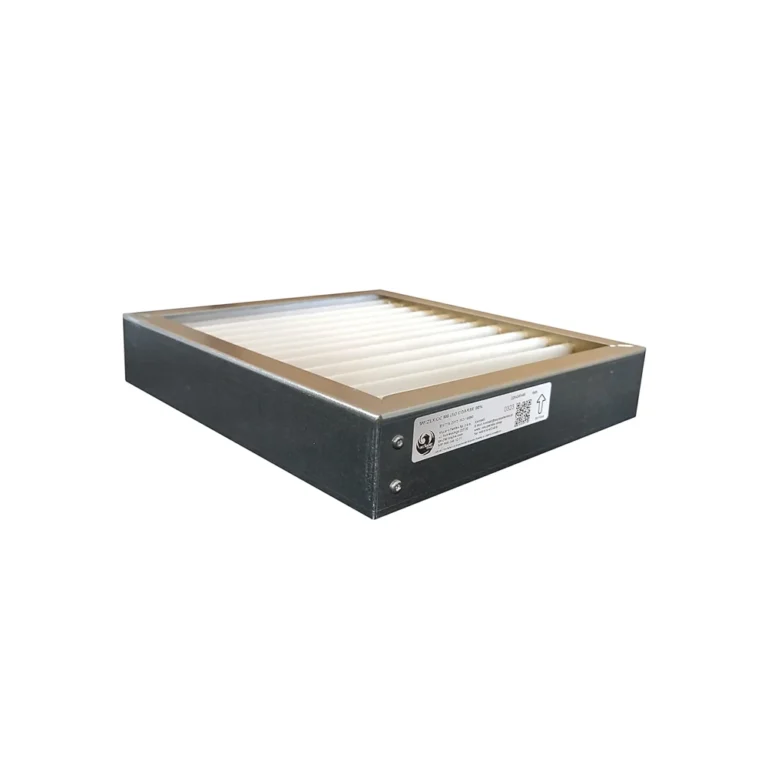
Animal husbandry filters are not just about technology, but more importantly about animal health and welfare. In animal farms, where the air is full of dust, allergens or bacteria, proper filtration systems become crucial. Imagine how clean air affects the better development of animals, their immunity or even the quality of products such as milk or meat.
In practice, these filters are used in many areas. In poultry houses, they help eliminate fine dust and ammonia particles that can irritate birds’ respiratory tracts. In barns or piggeries, they reduce unpleasant odors and minimize the risk of infection. And what about fish farms? Here water filters are indispensable, keeping the water in perfect condition, free of contaminants and toxins.
The economic aspect should not be forgotten either. Healthier animals mean lower medical costs, better production results and greater satisfaction for breeders. Animal husbandry filters are an investment that pays for itself faster than you might think.
But what about installation and maintenance? Today’s systems are designed to be as intuitive as possible. Changing filters regularly is a minor effort compared to the benefits they bring. It’s a bit like taking care of the air conditioning in a car – seemingly a small thing, but the difference is huge.
Filters for animal husbandry – the key to health and efficiency
Animal husbandry is not only a passion, but also a huge responsibility. Every breeder knows that animal health is the basis for success. Have you ever wondered how big a role filters play in this industry? It may seem like a minor detail, but in fact, animal husbandry filters are one of the most important elements for ensuring optimal living conditions for animals.
Clean air – the foundation of health
The air that animals breathe has a direct impact on their health. In confined spaces such as piggeries, poultry houses or stables, air quality can quickly deteriorate. Dust, ammonia, microorganisms – all of these can lead to health problems such as respiratory diseases. Air filters in ventilation systems help eliminate these hazards by providing fresh, clean air.
Which filters work best?
- HEPA filters – effectively trap even the smallest particles, including bacteria and viruses.
- Carbon filters – neutralize unpleasant odors and harmful gases, such as ammonia.
- Mechanical filters – remove dust and larger contaminants, which is especially important in areas with high levels of dust.
Did you know that a properly selected filtration system can reduce the risk of disease by as much as 30%? This is not only a health benefit, but also a financial one – less disease means less medical expenses and more productive animals.
Filters in feed systems
Feed is another key element in farming. But what if the feed contains contaminants? Mold, fungi, microorganisms – all of these can find their way into feed if proper storage and distribution conditions are not taken care of. Filters in feed systems help eliminate these risks, protecting animal health and the quality of the final products.
Why invest in feed filters?
– They protect against mold and fungal growth.
– They ensure even distribution of feed without contamination.
– They increase the shelf life of stored feed.
Did you know that contaminated feed can affect the taste and quality of meat, milk or eggs? Good filters are an investment that pays off on many levels.
Filters in cooling and humidification systems
In hot weather, cooling and humidification systems are invaluable. But what if the water used in these systems is contaminated? This can lead to the growth of Legionella or other microorganisms that can be dangerous to both animals and humans. Filters in these systems are a guarantee of safety and efficiency.
What kind of filters are used in cooling systems?
- Mesh filters – retain larger contaminants, such as leaves or sand.
- Chemical filters – prevent scale buildup and bacterial growth.
- UV filters – eliminate microorganisms, keeping the water clean.
Have you noticed that pets in well-chilled rooms are calmer and more productive? This is further proof of the importance of details such as water quality in cooling systems.
Regular maintenance – the key to success
Even the best filters will not do their job if they are not regularly maintained. Clogging of filters is a natural process that can reduce their effectiveness. Therefore, it is important to regularly check their condition and replace them according to the manufacturer’s recommendations.
How to take care of filters?
– Regularly check their visual condition.
– Clean mechanical filters if they are reusable.
– Replace disposable filters on schedule.
– Monitor air and water quality – if you notice deterioration, check the filters.
Did you know that neglecting filter maintenance can lead to higher repair costs for the entire system? Prevention is better than cure – this is a principle that works not only in medicine, but also in animal husbandry.
Why are filters an investment in the future?
Animal husbandry filters are not just technology – they are a tool that helps create better living conditions for animals, increases production efficiency and minimizes the risk of disease. Whether you run a small farm or a large farm, the right filters can make a huge difference. Remember, healthy animals are happy animals, and happy animals are the success of any farmer.