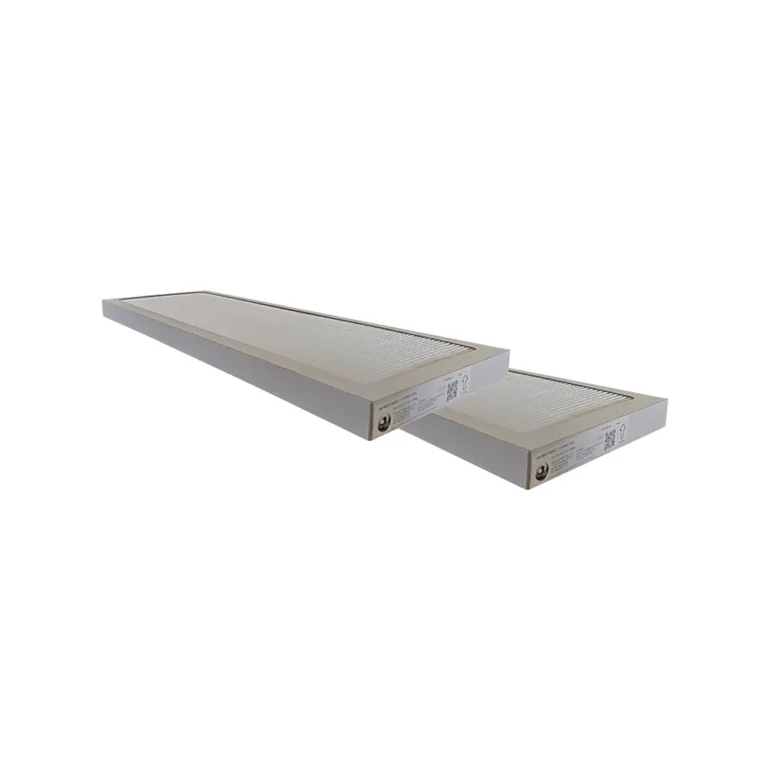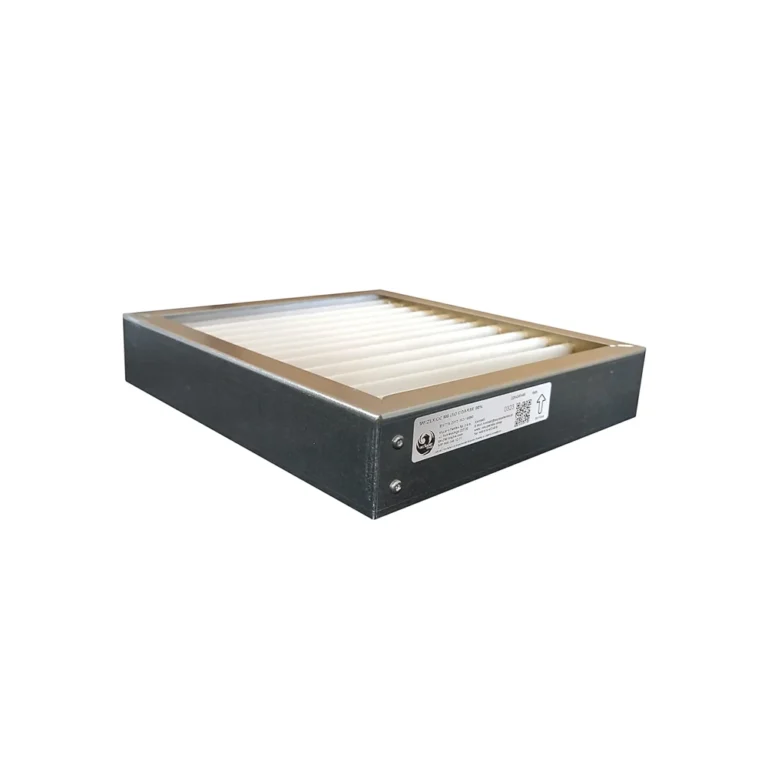
Filters for catering hoods are an indispensable piece of equipment for any professional kitchen. Their main task? Protecting ventilation systems from the accumulation of grease, smoke and other contaminants. It is thanks to them that the air in the kitchen remains cleaner, and the equipment – more efficient and durable.
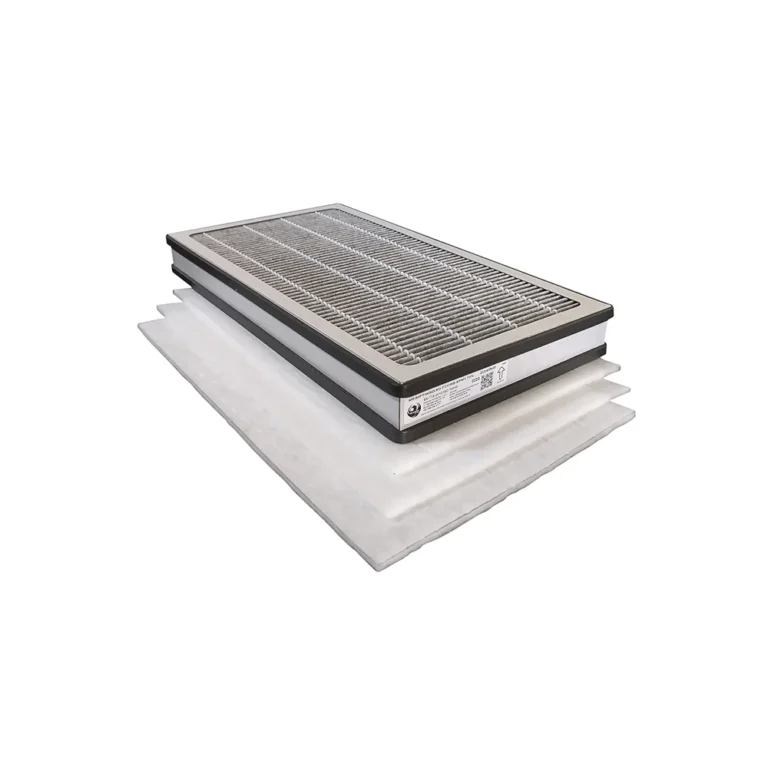
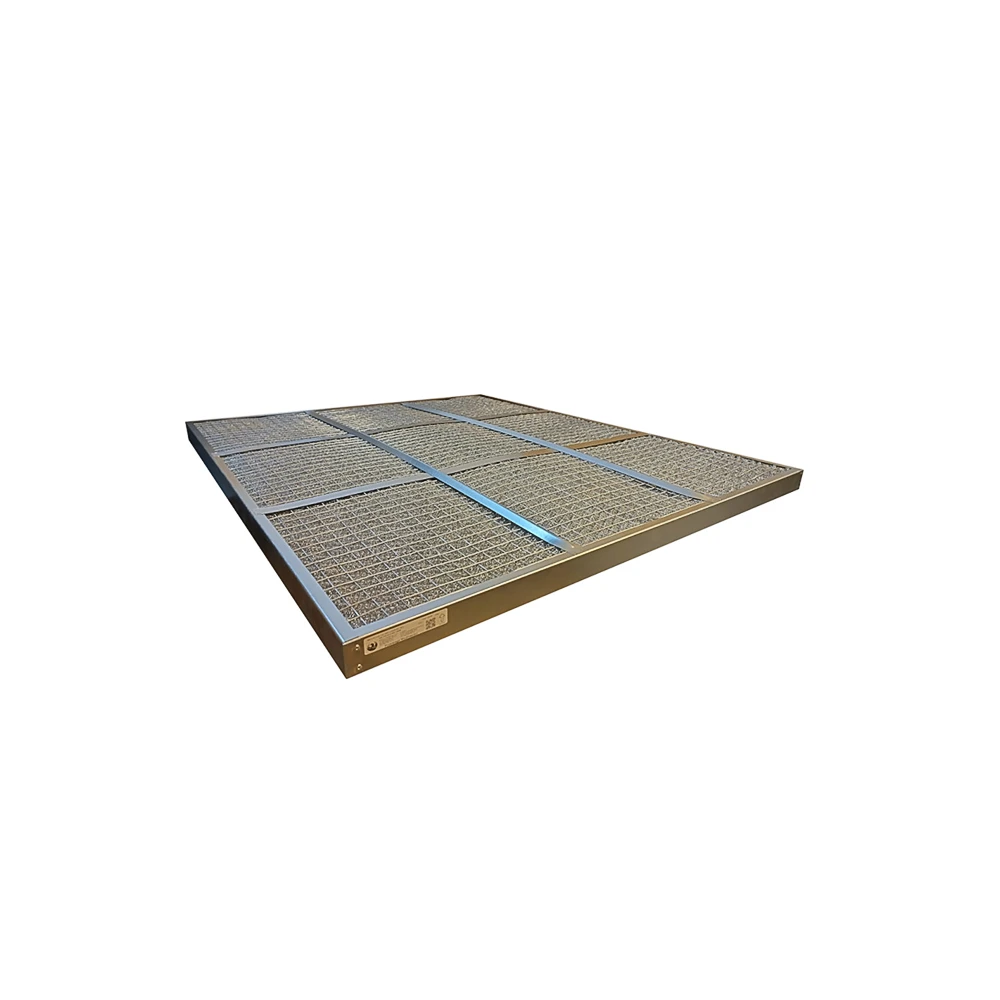
What exactly are these filters? They are most often made of stainless steel, which makes them resistant to corrosion and easy to clean. Popular types include grease filters, which effectively separate even fine grease particles from the air. In turn, carbon filters, used in ductless systems, neutralize unpleasant odors.
Why invest in high-quality filters? First, it saves money – regular replacement or cleaning of filters minimizes the risk of damage to the device. Second, safety – they reduce the risk of fire caused by grease accumulation. Third, comfort – no one likes a stuffy kitchen full of smoke, right?
Remember that choosing the right filter depends on the type of hood and the specifics of the kitchen. Professional restaurants will need different solutions than small cafes or fast food bars. So it’s worth considering your needs and consulting an expert about your choice. And when was the last time you checked the condition of your filters? Maybe it’s time for a little overhaul?
Why are filters for catering hoods so important?
When we imagine bustling restaurant kitchens, we see professional equipment, excellent cooks and aromas that make us drool. But few think about the ventilation systems that work in the background to ensure clean air and comfort. This is where filters for catering hoods play a key role. Without them, a hood – even of the best quality – would quickly lose its effectiveness.
The task of the filter: more than just protection
It’s not just about trapping grease, although that’s obviously one of their primary tasks. Filters in catering hoods also protect ventilation from blockages and excessive particle accumulation. And after all, no one wants the ventilation system to stop working in the middle of a busy service, right? What’s more, filters affect air quality – by eliminating impurities, they reduce the risk of unpleasant odors in the kitchen. This is crucial, especially when the restaurant has an open kitchen, and guests can see and smell everything in real time.
Types of filters for hoods: which one to choose?
Not all filters are the same – they differ in material, design and purpose. Choosing the right filter depends on the type of hood, the specifications of the kitchen and the type of food being prepared.
- Aluminum grease filters: often used in smaller kitchens, they are lightweight and easy to clean. However, they do not handle large amounts of grease as well as their steel counterparts.
- Stainless steel grease filters: Most commonly found in professional catering kitchens. They are durable, corrosion-resistant and designed for heavy use.
- Carbon filters: Ideal for neutralizing odors. Although they are not designed to capture grease, they work great when you want clean and fresh air.
Each of these filters has its place in foodservice, but you need to know when and where to use them. For example, for deep frying, steel filters will work better than aluminum filters because of their greater durability.
Regular maintenance is a must
We have the right filter, but what next? Without regular cleaning and replacement of filters, even the best appliances will not do their job. Accumulated grease and dirt not only reduce the efficiency of the hood, but also increase the risk of fire – something that probably no one wants.
How often do you need to clean the filters? It depends on the intensity of use of the kitchen. In places with heavy daily frying, cleaning should be done even once a week. In less demanding kitchens, once a month is enough. It is important to follow the manufacturer’s instructions – overly aggressive cleaners can damage the structure of the filter.
How does the choice of filter affect the entire ventilation system?
Think the filter is just a small component in the whole system? Well, think again. The filter has a huge impact on ventilation performance. If you choose the wrong type or neglect its maintenance, the entire ventilation system may start to operate less efficiently. As a result, energy consumption will increase, and the comfort of the kitchen will also decrease.
A well-chosen and well-maintained filter ensures:
- Constant airflow, which is key to maintaining the right temperature in the kitchen.
- Reduction of noise levels in the ventilation system – clean filters allow the hood to operate more quietly.
- Protection of ventilation equipment from mechanical damage and corrosion caused by grease accumulation.
Filters and environmental protection
We may not think about it every day, but filters for food service hoods also have an impact on the environment. In what way? First of all, thanks to their regular replacement and cleaning, the emission of grease and other pollutants into the atmosphere is reduced. What’s more, more and more manufacturers are offering filters made of recyclable materials, which further supports an eco-friendly approach in catering.
Where to buy good filters?
Although there is no shortage of cheap replacements on the market, it is worth betting on products from proven manufacturers. Why? Because only then we can be sure that the filter will fulfill its purpose and serve for a long time. When choosing one, it is worth paying attention to the technical specifications, compatibility with our hood and the opinion of other users. After all, the kitchen is the heart of gastronomy – there is no room for compromise here.