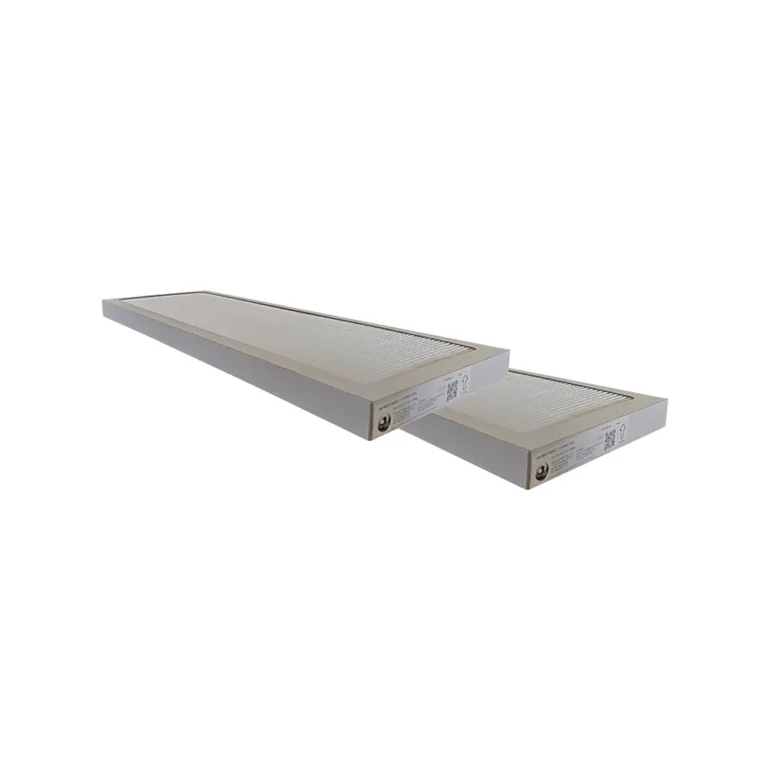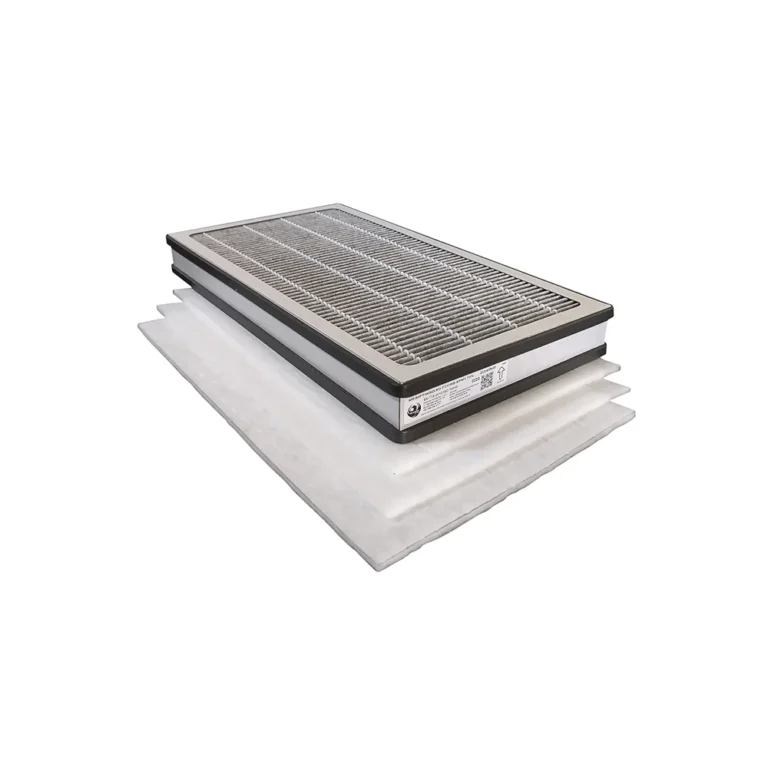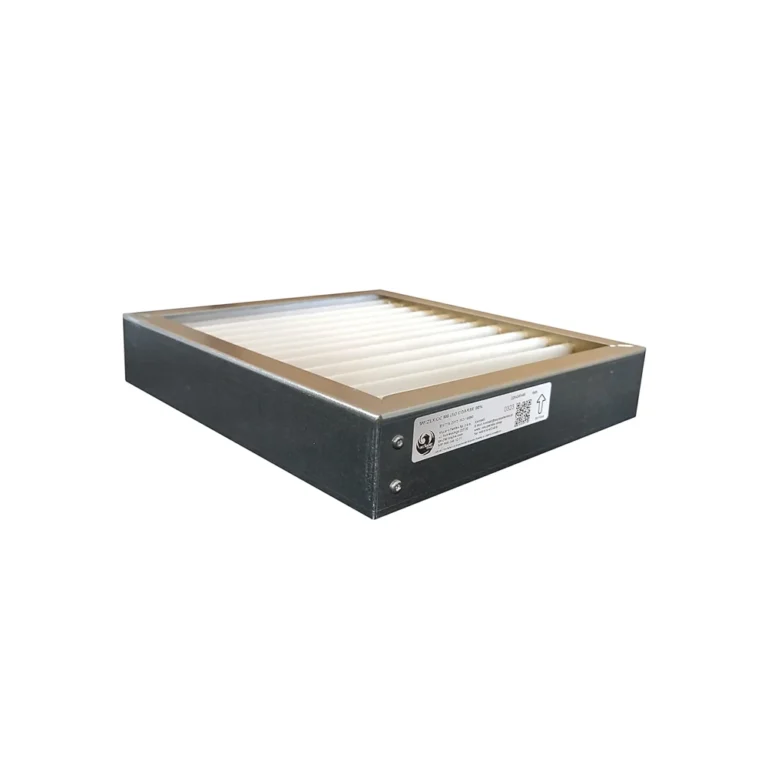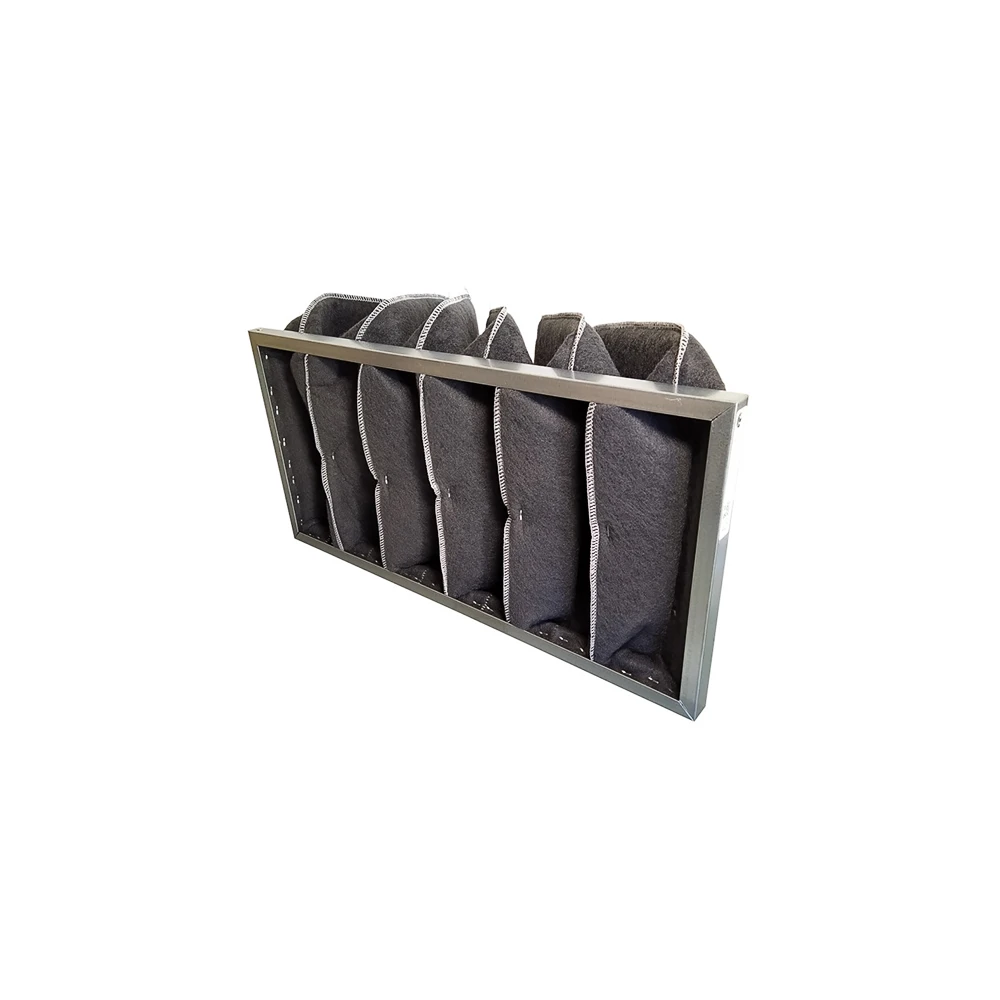
Filters for HVACR systems are an indispensable part of any ventilation, air conditioning or refrigeration system. Their main task is to clean the air of impurities such as dust, pollen, bacteria or viruses. Thanks to them, the equipment works more efficiently, and users can enjoy clean and healthy air. But have you ever wondered how diverse these filters can be?
Different types of filters are used in HVACR systems, depending on the needs and specifics of the installation. Pre-filters are basic protection – they trap larger particles, such as dust or pet hair. HEPA filters, on the other hand, are indispensable in places requiring the highest level of cleanliness, such as hospitals and laboratories. And what about carbon filters? They neutralize unpleasant odors and volatile organic compounds, making them an ideal choice for offices or apartments.
Curiosity? Changing filters regularly not only improves air quality, but also extends the life of equipment. Dirty filters can stress systems, increasing energy consumption and the risk of failure. That’s why it’s worth remembering to maintain them – it’s a small step that makes a big difference.
Whether we’re talking about air conditioners, air handling units or refrigeration units, filters for HVACR systems are crucial. They take care of comfort, health and efficiency. And after all, everyone wants to breathe fresh air, right?
Filters for HVACR systems – the key to clean air and reliable operation
Filters for HVACR (Heating, Ventilation, Air Conditioning, Refrigeration) systems are components that are often overshadowed by more spectacular components, such as compressors or heat exchangers. Yet they are the ones that play a key role in ensuring not only clean air, but also the efficient and long-lasting operation of the entire system. What are their applications and why are they so important? Let’s take a closer look.
Do filters really matter?
Imagine walking into a room where the air is clean, fresh and odor-free. This feeling of comfort is often due to the filters in HVACR systems. Their job is to trap contaminants – from dust to pollen to bacteria and viruses. Without them, the air circulating through the system could be full of harmful particles that threaten the health of users.
What’s more, the filters also protect the system itself. Without proper filtration, contaminants could settle on key components such as fans and heat exchangers, leading to faster wear and tear and lower energy efficiency. And after all, no one wants to pay higher electricity bills due to neglecting such a basic component, right?
Types of filters – what to choose?
Choosing the right filter depends on the application of the HVACR system and the environmental requirements. There are several basic types of filters available on the market:
- Mechanical filters: The simplest and most popular. They work by physically trapping particles on the filter material. Ideal for basic applications such as home air conditioners and ventilation systems.
- HEPA filters: High-performance filters that trap even the smallest particles, including bacteria and viruses. Used in hospitals, laboratories and other places requiring the highest level of air purity.
- Carbon filters: Specialize in removing odors and volatile organic compounds (VOCs). Ideal for areas such as kitchens, chemical laboratories and industrial plants.
- Electrostatic filters: They use an electrical charge to attract dirt particles. They are effective and often reusable, making them a greener option.
- Pocket filters: Used in larger systems such as air handling units. They have a large filter surface area, so they can trap larger amounts of contaminants.
The use of filters – where do we find them in practice?
Filters for HVACR systems are used in a wide variety of environments – from single-family homes to offices to advanced industrial plants. Here are some examples:
Houses and apartments
In home air conditioning and ventilation systems, filters primarily serve a protective function, ensuring clean air for home occupants. It is worth paying attention to the quality of the filters, especially if allergic people or those with respiratory problems live in the house. HEPA or carbon filters can significantly improve living comfort in such cases.
Offices and commercial spaces
In offices, where many people live every day, air quality has a direct impact on employee health and productivity. Filters in HVACR systems help eliminate dust, bacteria and viruses, which is especially important at a time when air hygiene has become a priority. In addition, carbon filters can neutralize odors, making the space more comfortable.
Industry and manufacturing
In industrial plants, filters are often tasked with not only cleaning the air, but also protecting machinery from contaminants. In places such as chemical factories, laboratories and food plants, filters with specialized properties are used, tailored to the specific needs of the environment.
Hospitals and laboratories
In medical and research facilities, air quality is critical to patient and staff safety. HEPA filters, often combined with carbon filters, provide the highest level of cleanliness, eliminating even microscopic contaminants.
Filter maintenance – is it really necessary?
The answer is absolutely yes! Even the best filter will lose its effectiveness if it is not replaced regularly. A clogged filter not only fails to perform its role, but can also stress the system, leading to its failure. That is why it is so important to follow the manufacturer’s maintenance recommendations.
It is also worth remembering that different types of filters require different actions. Mechanical filters often only need to be replaced every few months, while electrostatic filters may require regular cleaning. HEPA filters, on the other hand, while extremely effective, have a limited lifespan and must be replaced on a schedule.
Modern technologies in filtration
Technological advances have not escaped the filtration industry either. Filters with additional features, such as antibacterial coatings or the ability to neutralize viruses, are now available on the market. It is also increasingly common to find intelligent systems that monitor the condition of filters and inform the user when they need to be replaced.
It is also worth mentioning the growing popularity of eco-friendly solutions, such as filters that are reusable or made of biodegradable materials. This is not only a benefit to the environment, but also a way to reduce the operating costs of the HVACR system.
Why invest in good filters?
Filters for HVACR systems are not only a component for clean air, but also a key ingredient for the longevity and efficiency of the entire system. Their proper selection and regular maintenance is an investment in comfort, health and savings. Whether we’re talking about a home air conditioner, office ventilation or a sophisticated industrial system, filters are a component that cannot be ignored.