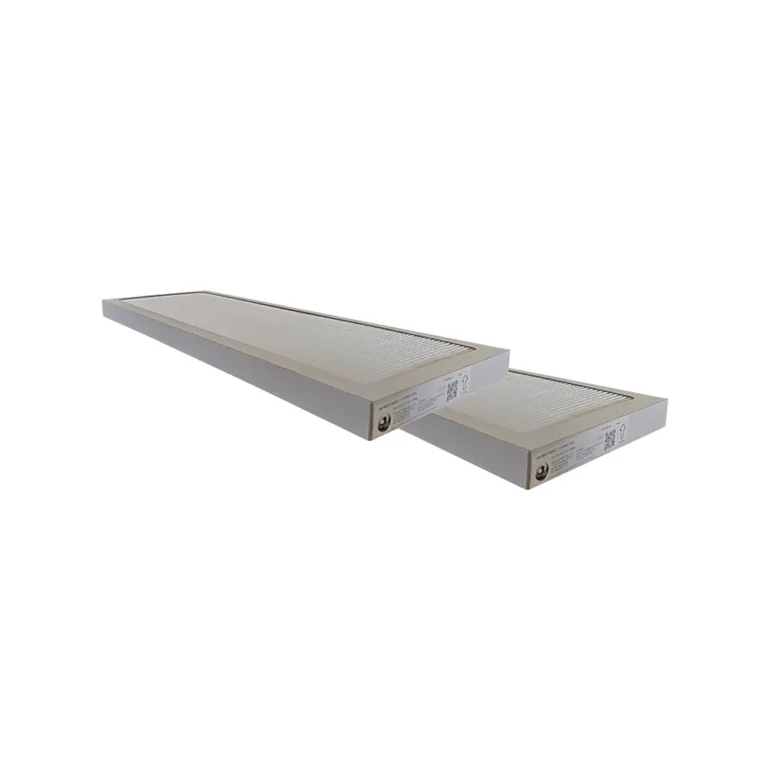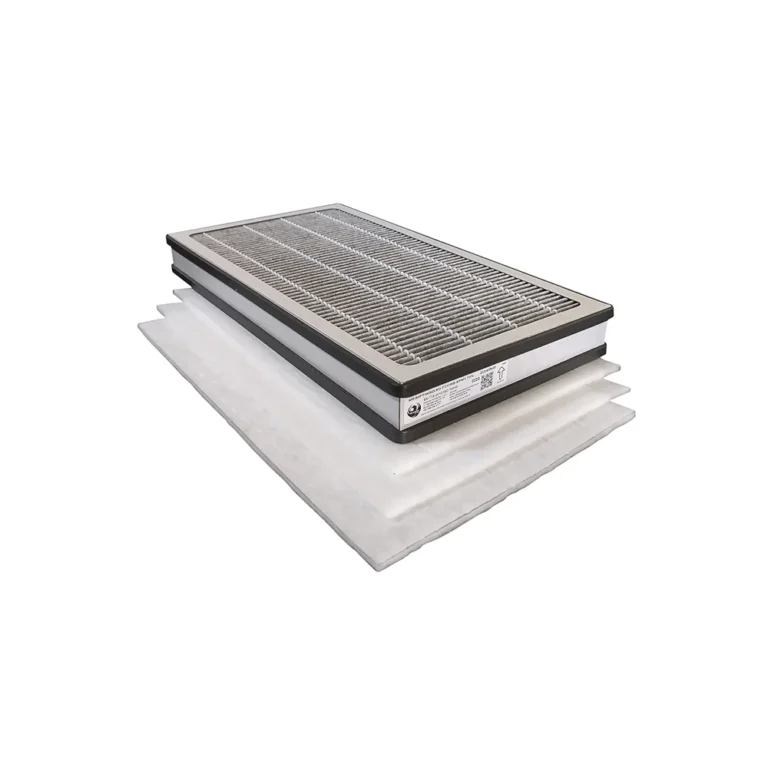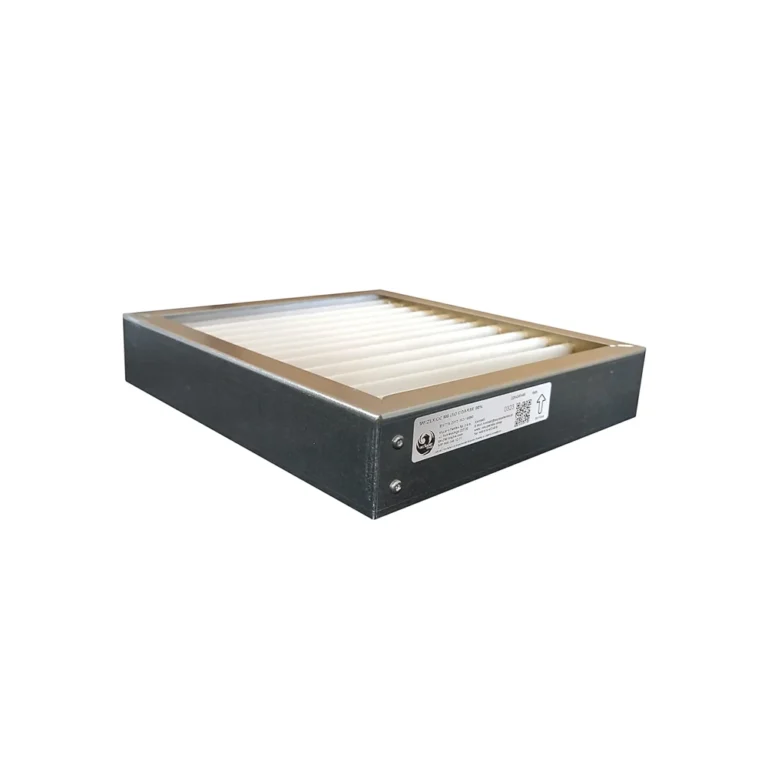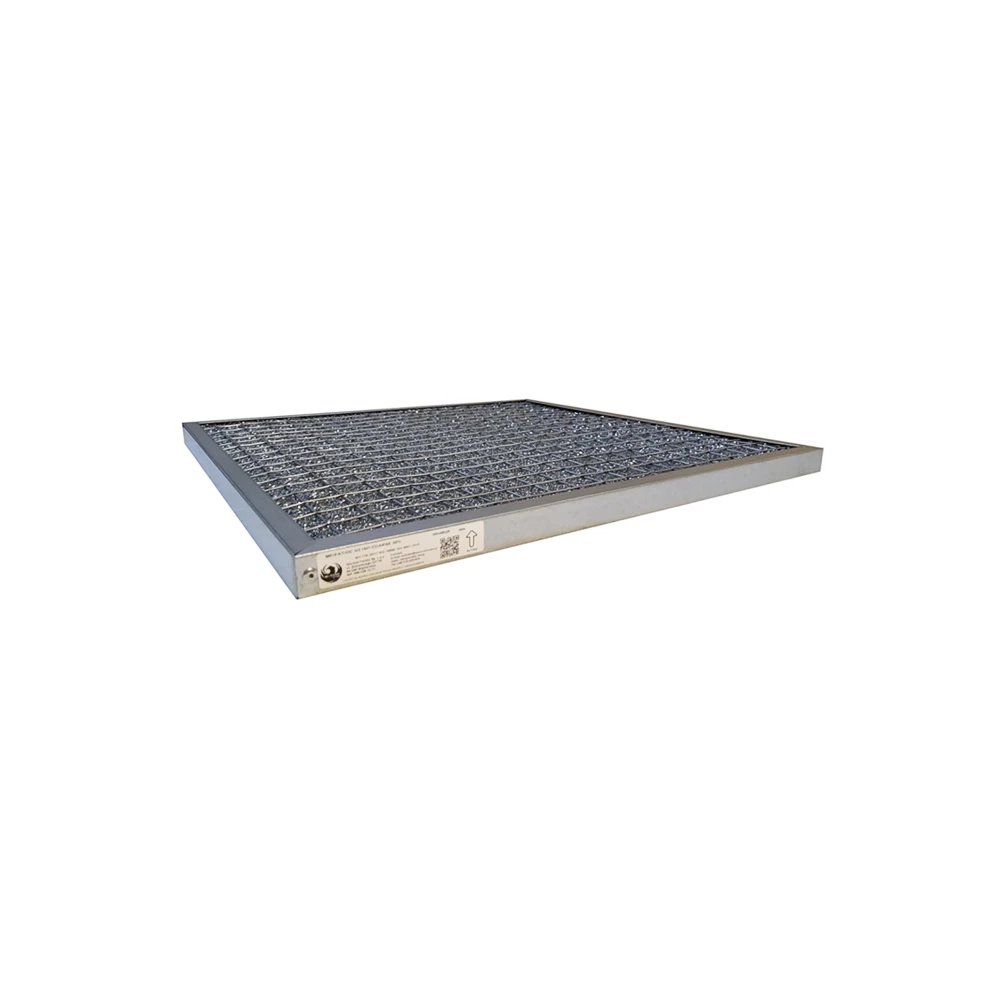
Kitchen hood filters are inconspicuous but extremely important components of any kitchen. Their main task is to clean the air of grease, odors and other pollutants that arise during cooking. Without them, the kitchen would quickly turn into a place full of deposited grease and unpleasant aromas. But have you ever wondered how different these filters can be?
You’ll find two main types on the market: carbon filters and metal filters. Carbon filters are ideal if your hood operates in absorber mode, that is, there is no connection to ventilation. Activated carbon perfectly neutralizes odors, keeping the air in the kitchen fresh. Metal filters, on the other hand, usually made of aluminum or stainless steel, do a great job of capturing grease. They are durable, easy to clean and reusable – just wash them in the dishwasher.
And don’t forget to replace or clean the filters regularly. Neglecting to do so can lead to a decrease in the effectiveness of the hood and unpleasant consequences, such as the deposition of grease on the furniture. And after all, no one wants to spend hours scrubbing cabinets, right?
Well-chosen filters for kitchen hoods are an investment in cleanliness and comfort. So it’s worth taking a moment to choose the right model that will best meet your needs.
Filters for kitchen hoods – small element, big difference
Inconspicuous, often overlooked, yet crucial for comfort and cleanliness in the kitchen – filters for kitchen hoods. Have you ever wondered how much they affect the air quality in your home? Or do you think they’re just another component that needs to be replaced because it says so in the instructions? It’s time to dispel your doubts and take a closer look at their use, types and why you should take care of them.
What exactly are filters in hoods for?
A kitchen hood is not just an elegant addition to the interior. Its main task is to remove odors, steam and grease that rise during cooking. Without the right filter, the hood would not perform its function. Imagine cooking without it – greasy deposits on the cabinets, the smell of fried fish wafting throughout the house for days. Sound familiar? Filters are like gatekeepers – they stop what shouldn’t go back into the air you breathe.
But how do they work?
It all depends on the type of filter. There are two main types: grease filters and carbon filters. Each has its own specific role, but they work in harmony to keep the kitchen clean and fresh. Grease filters trap grease particles that could settle on the elements of the hood or furniture. Carbon filters, on the other hand, absorb odors so you don’t have to ventilate the apartment after every fry.
Fat filters – the first line of defense
These filters are the real heroes in the fight against grease. Made of metal (usually aluminum) or non-woven fabric, they trap grease particles before they can settle on surfaces. Metal filters are reusable – you just need to wash them regularly, preferably in the dishwasher, which is not only convenient, but also environmentally friendly. Non-woven filters are disposable, which means you have to replace them when they get dirty. How often? It all depends on the intensity of cooking, but usually every few months.
And is it necessary?
Absolutely yes. A neglected grease filter not only performs worse, but can also be a fire hazard. The grease that accumulates on it is flammable. Besides, a dirty filter reduces the efficiency of the hood and makes the unit run louder. It’s a bit like a vacuum cleaner – a full bag reduces its power, right?
Carbon filters – masters of odor neutralization
Carbon filters are a different pair of wellies. They are used in hoods that operate in recirculation mode, that is, those that do not exhaust air to the outside, but purify it and return it to the room. Their secret lies in active carbon, which absorbs odors and chemicals. Thanks to them, even after frying onions or fish, the air in the kitchen remains fresh.
How often to replace the carbon filter?
It depends on the model of the hood and the frequency of cooking, but usually every 3-6 months. Some manufacturers offer regenerative filters that can be refreshed in the oven. This is a great solution for those who want to reduce waste and save a few pennies.
How to choose the right filter?
The choice of filter depends on the model of the hood and its mode of operation. Before buying, it is worth checking the instruction manual or consulting the seller. It is important that the filter fit perfectly – a filter that is too small or ill-fitting will not perform its function. On the market there are both original filters from manufacturers and replacements. Originals often guarantee better quality, but replacements can be a cheaper alternative.
What to look out for?
- Material: metal filters are more durable, but disposable nonwoven filters may be more effective in the short term.
- Size: It must fit perfectly in the hood.
Take care of the filters and they will take care of you
Regular maintenance is the key to the longevity of both the filters and the hood itself. It’s a good idea to wash metal filters every few weeks, and replace carbon filters according to the manufacturer’s recommendations. Remember, too, that a clean filter means not only better efficiency, but also less energy consumption. And who doesn’t like to save money?
What else is worth knowing?
If you notice that the hood works louder than usual or does not manage to remove odors, it’s a sign that it’s time to change the filter. Don’t wait until the problem gets worse – it’s like with a car, it’s better to change the oil in time than to risk engine failure.