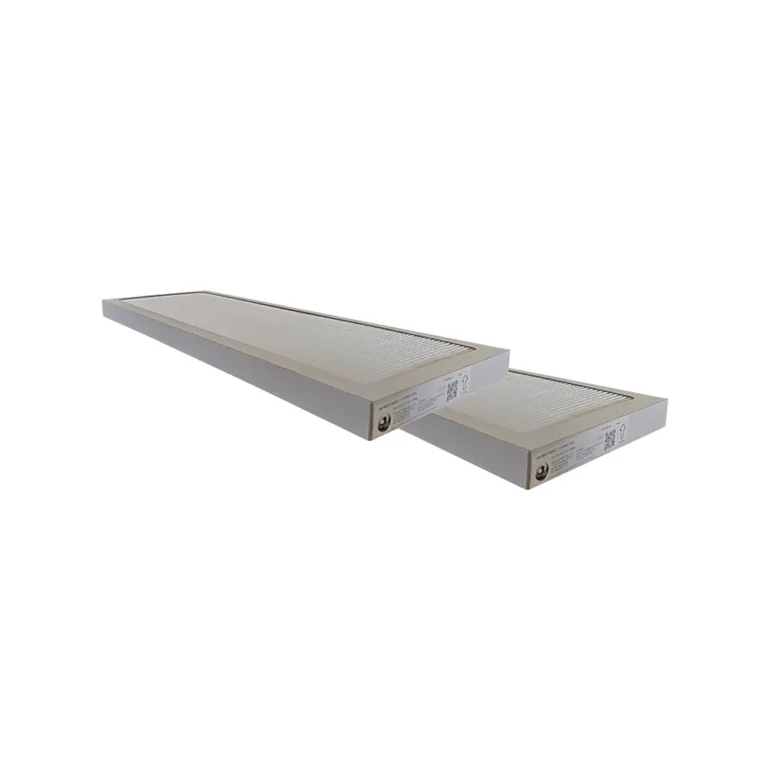
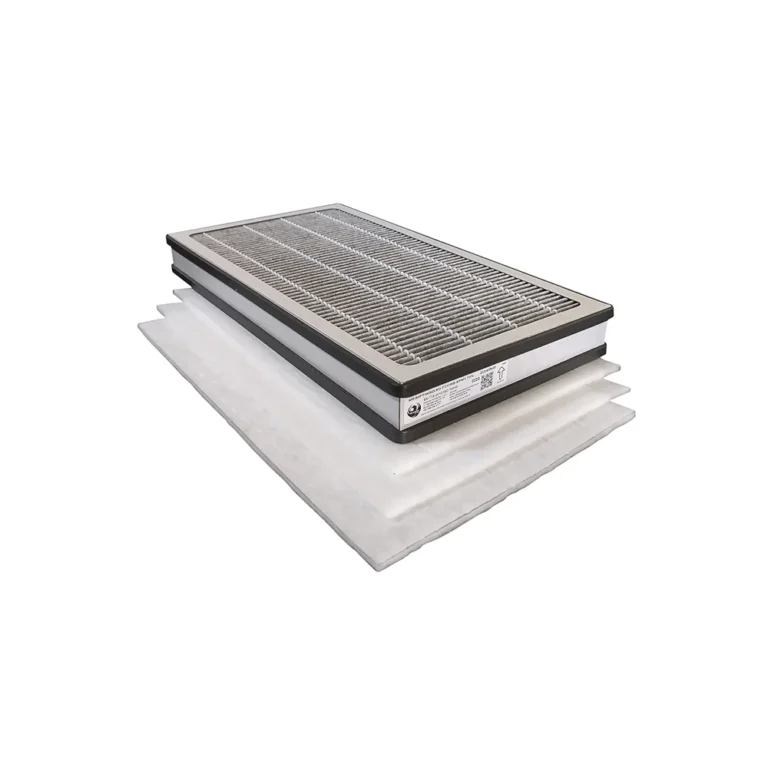
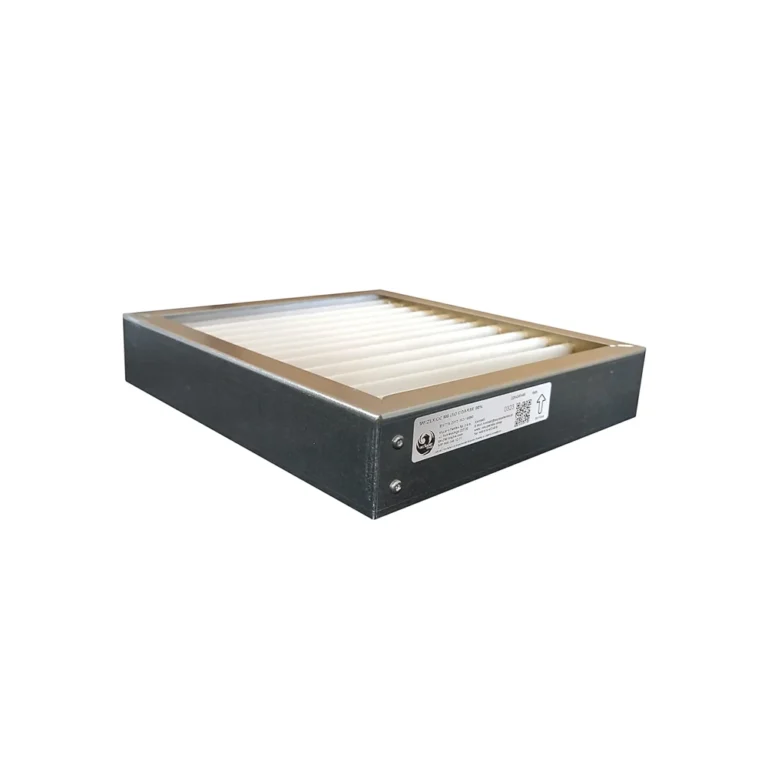
Filters for machinery are inconspicuous but extremely important components that affect the performance and life of equipment. Their task is to protect mechanisms from contaminants that could lead to failures and, consequently, costly repairs. Depending on the application, filters can be used in agricultural, construction, industrial machinery or even trucks. Each of these categories requires appropriately selected solutions to meet specific operating conditions.
In agricultural machinery, filters protect engines from dust and organic residues that become airborne while working in the fields. In construction equipment, on the other hand, where dust and sand particles are the order of the day, filters protect systems from damage. And what about industrial machinery? Here, air filters play a key role, ensuring optimal working conditions in environments full of pollution.
And don’t forget about cabin filters – although often downplayed, they have a huge impact on operator comfort and health. Imagine working in a cabin full of dust or exhaust fumes. Sounds unpleasant, doesn’t it? That’s why a well-chosen cabin filter is not just a luxury, but a necessity.
The right machine filters are an investment in reliability and efficiency. Without them, even state-of-the-art equipment can quickly lose its value. Is it worth the risk?
Filters for machines – the key to efficiency and longevity of equipment
Every machine, from powerful excavators to precision industrial equipment, requires adequate protection to operate efficiently and without failure. Filters for machines are not just an accessory – they are the foundation for maintaining efficiency, reducing operating costs and extending the life of equipment. But which filters should you choose? What exactly are they used for? And why are they so important? Let’s dive into this topic.
What are filters in machines used for?
Filters in machines act as a gatekeeper – they stop contaminants that could harm delicate components. Imagine that the machine is your heart, and the filter is the circulatory system that eliminates toxins. Without it, dirt, dust, oils or other contaminants could gradually destroy the inside of the machine.
The most commonly used filters are:
- Oil filters – protect the lubrication system from metal particles and contaminants.
- Fuel filters – eliminate water and dirt particles from fuel, which prevents damage to the injection system.
- Air filters – provide clean air for combustion, which is crucial for internal combustion engines.
- Hydraulic filters – keep hydraulic oil clean, which is crucial for control systems.
Each of these filters has its own specific application and is necessary for different types of machinery – from agricultural to construction to industrial.
Construction machinery – why are filters essential?
Imagine an excavator working on a construction site. Dust, mud, sand particles – all this can get inside it. Without a proper air filter, the engine would be vulnerable to damage. Hydraulic filters, on the other hand, protect the lifting and control system. And the oil filter? It’s the one responsible for keeping the engine running smoothly, without stuttering or overheating.
Construction machines operate under extreme conditions, so their filters must be extremely durable and effective. Regular filter replacement is a must – neglecting this step can lead to costly repairs and even total immobilization of the equipment.
Agriculture – filters in tractors and harvesters
Farmers are well aware of the importance of the reliability of their machinery. Tractors, combines or sprayers – all this equipment is exposed to dust, pollen and dirt from the field. Tractor fuel filters prevent water and dirt from entering the injection system, which is crucial for efficient combustion and engine power.
Air filters in combines play an equally important role – they prevent dust particles from entering the engine, which could lead to overheating. And oil filters? They’re the ones that make sure that all moving parts work flawlessly, even during the intensive work of the harvest season.
Industry and manufacturing – filters in precision equipment
In manufacturing plants, where precision is crucial, filters play an equally important role. CNC machines, production lines or industrial robots require perfectly clean hydraulic oil and air. Even the slightest contamination can affect the accuracy of the equipment, which in turn affects the quality of the final product.
Filters in such machines are designed with the highest precision in mind. Very fine mesh filters are often used here, which trap even microscopic particles. Regular inspection and replacement of filters is essential if costly production downtime is to be avoided.
How to choose the right filter?
Choosing the right filter for your machine may seem complicated, but in reality it comes down to a few key issues:
- The type of machine – different filters will be needed for an excavator and others for a combine harvester.
- Type of contamination – does the machine operate in a dusty environment, humid environment, or perhaps in contact with chemicals?
- Manufacturer’s specifications – it’s always a good idea to check what filters are recommended by the equipment manufacturer.
- Quality – it is not worth saving money on filters. Cheaper replacements may not meet standards, leading to problems in the long run.
It is also worth remembering that regular filter replacement is an investment in the longevity of the machine. Even the best filter loses its effectiveness after some time, so it is not worth delaying its replacement.
Filters – small elements of great importance
Filters for machines are inconspicuous but extremely important elements. They protect equipment from contaminants, increase its efficiency and minimize the risk of failure. Without them, any machine would be vulnerable to rapid wear and costly repairs.
Whether we are talking about construction, agricultural or industrial machinery, filters are an integral part of their proper functioning. That’s why it’s worth taking care of them – replace them regularly, use quality products and remember that it’s the details that determine success.