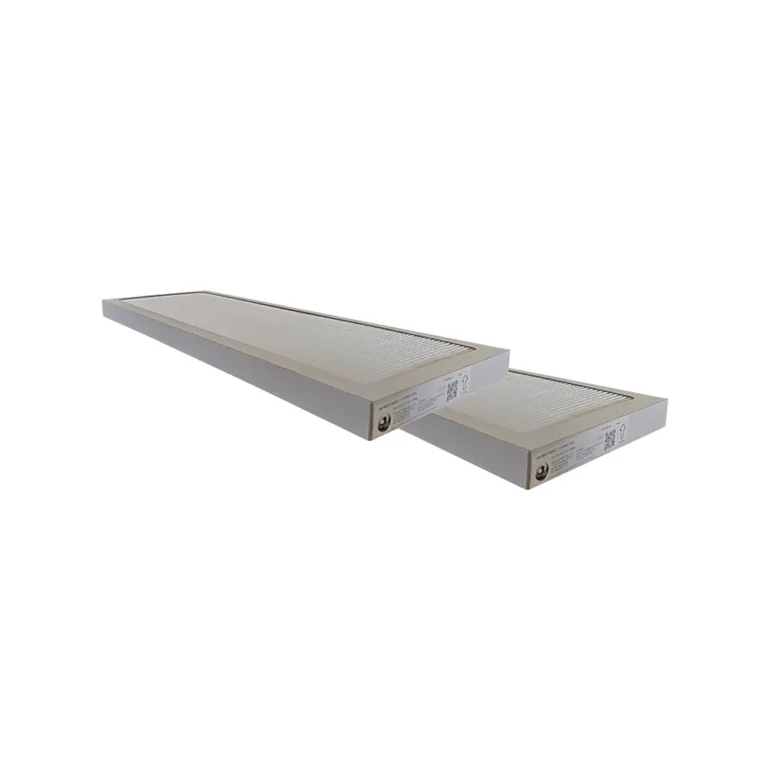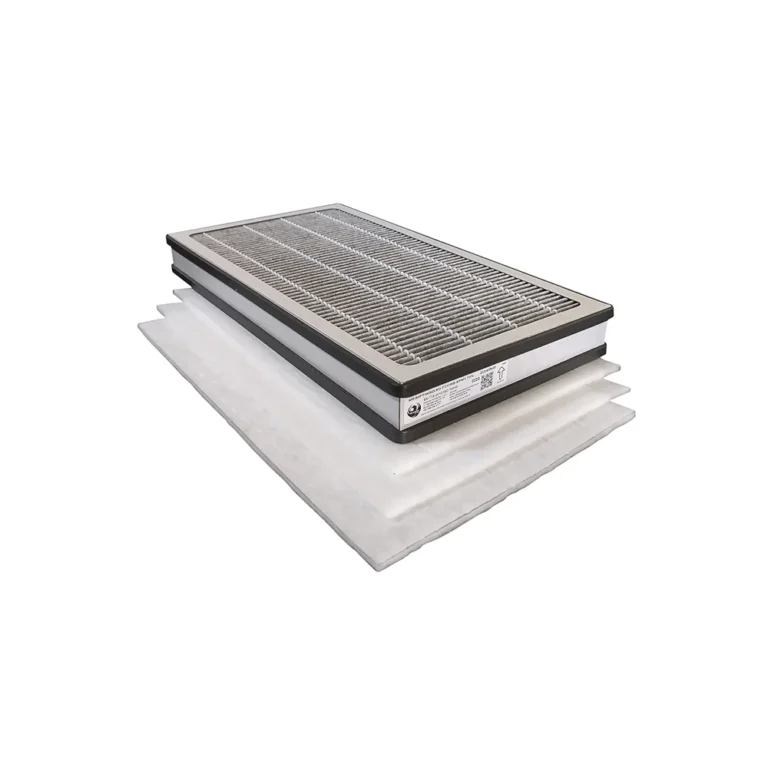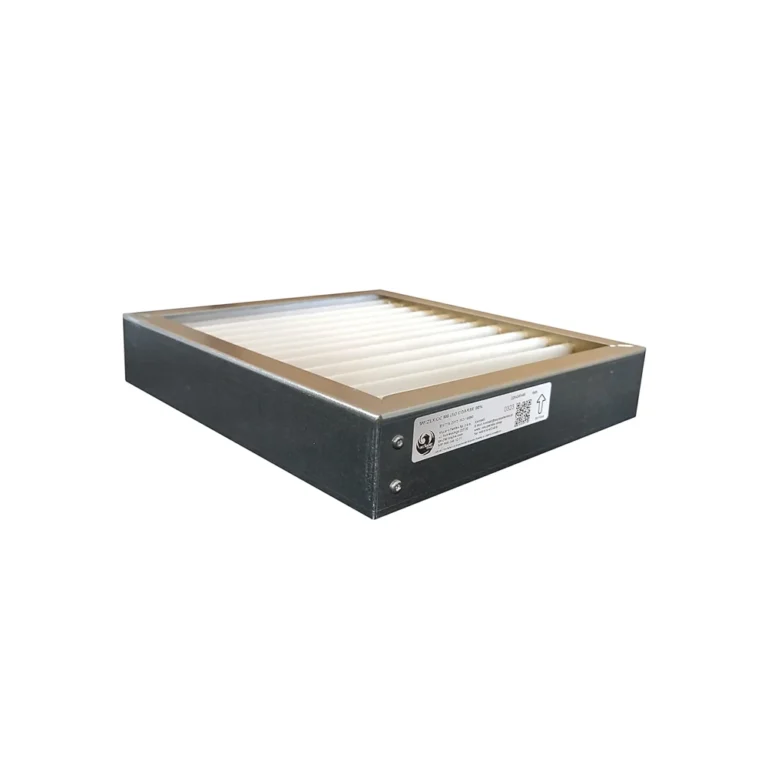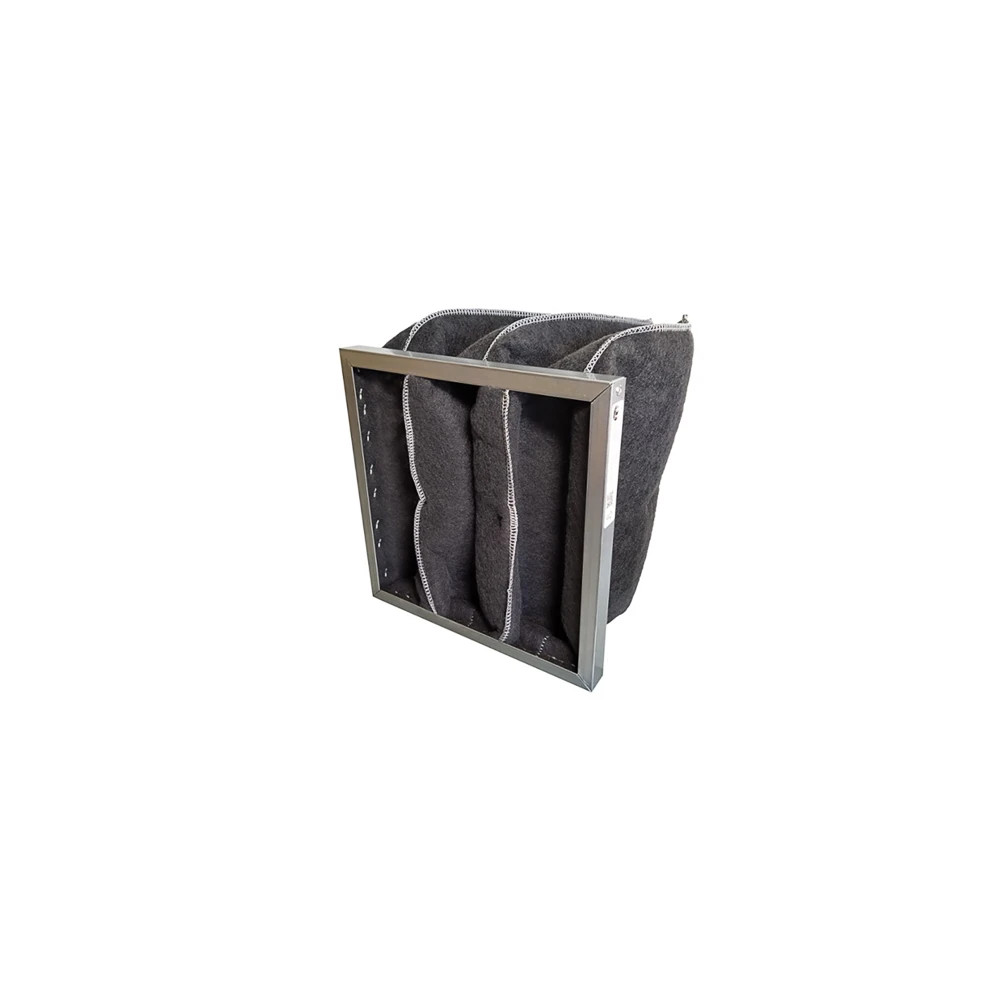
Odor neutralizing filters are a practical solution that is used in a variety of spaces – from domestic kitchens to professional laboratories. Their main task is to eliminate unpleasant odors that can make daily life miserable or negatively affect air quality. But how do they actually work? It’s simple – they use advanced materials, such as activated carbon, which absorbs odor particles, leaving the air fresh and clean.
In kitchens, these filters do a great job of removing frying or cooking odors that can get “stuck” in fabrics or furniture. In offices, they help neutralize cigarette smells or intense food odors. In turn, in places such as laboratories or industrial plants, their role is invaluable – they protect not only the comfort of users, but also their health, eliminating harmful chemicals from the air.
Is it worth investing in such filters? If you care about comfort and health, the answer is obvious. Especially in spaces where odors are intense or undesirable. What’s more, modern models are not only effective, but also environmentally friendly – many of them can be regenerated, allowing repeated use. Sounds practical, right?
Odor-neutralizing filters are a small step toward greater comfort, but their effects can be really noticeable. Clean air is something we often don’t appreciate until we run out of it.
Odor neutralization filters – how do they work and where do they perform?
Odors, while often pleasant, can also be a nuisance. Imagine the kitchen after frying fish or the interior of a car after an intense workout at the gym. In such situations, odor neutralization filters become an indispensable ally. But have you ever wondered how they really work and where they are used? Let’s dive into this topic – without further ado.
The magic of technology – how do odor neutralization filters work?
These filters function through advanced technologies that eliminate odor particles or neutralize them.
- Carbon filters: Activated carbon is a true master at absorbing unwanted odors. Thanks to its porous structure, it “catches” the particles responsible for unpleasant odors and traps them in its microscopic pores.
These filters can work alone or in combination, offering a comprehensive solution. But where can they actually be found?
Filters in everyday life – from home to industry
Odor neutralization filters are ubiquitous. Even if you don’t notice them on a daily basis, they are closer than you think. Let’s look at a few examples:
Kitchen – the heart of the home, but sometimes an odor nightmare
Anyone who has fried onions or fish at least once knows how long these smells can linger. Kitchen hoods with carbon filters are invaluable here. They absorb grease and odor particles, leaving the air fresh and pleasant.
Bathroom – a place of relaxation, but also moisture
In bathrooms, filters are often used in fans, which not only eliminate odors, but also help fight moisture, preventing mold.
Car – a mobile home on wheels
From the smell of exhaust fumes to the aromas of fast food, the interior of a car is a real training ground for odor filters. Modern car air conditioners are often equipped with carbon filters that take care of the comfort of travelers.
Industry – where odor is a serious problem
In industrial plants, such as sewage treatment plants or chemical factories, odor neutralization filters play a key role. Thanks to them, it is possible to minimize odor nuisance for workers and nearby residents.
Why invest in odor neutralization filters?
You may wonder if it’s really worth it. After all, you can just open the window, right? Well, not always. Filters offer benefits that are hard to overestimate:
- Improved quality of life: Fresh air means a better sense of well-being and greater comfort in daily activities.
- Health: Some odors, especially those from chemicals, can be harmful to health. Filters eliminate not only the smell, but also potentially dangerous particles.
- Environmental protection: In industry, filters help reduce the emission of unpleasant substances into the atmosphere, which contributes to environmental protection.
How to choose the right filter?
The choice of filter depends on several factors. First, consider where you need it – at home, in your car or perhaps at your workplace? Second, determine the type of odors you want to neutralize. For example, carbon filters are great for organic odors, but may be less effective for chemicals.
You should also pay attention to the life of the filter. Some models require frequent replacement, while others can last for many months. Also check whether the filter is easy to install and maintain – after all, no one likes complicated instructions.