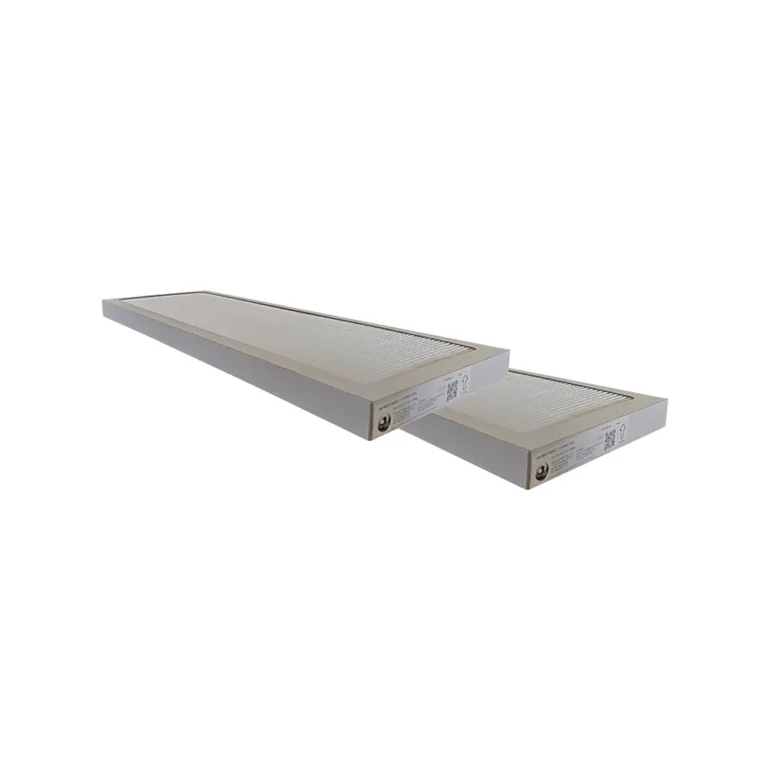
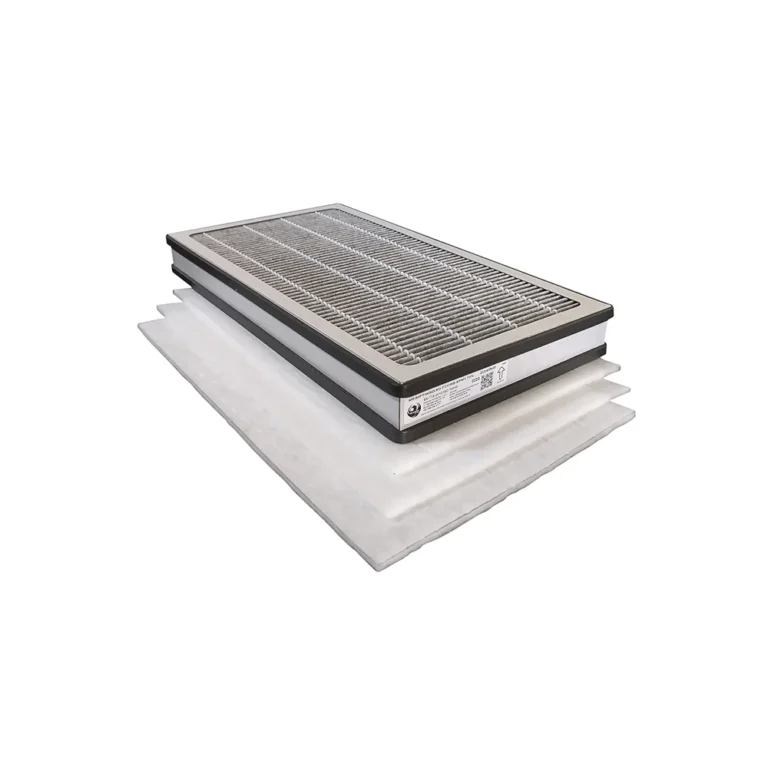
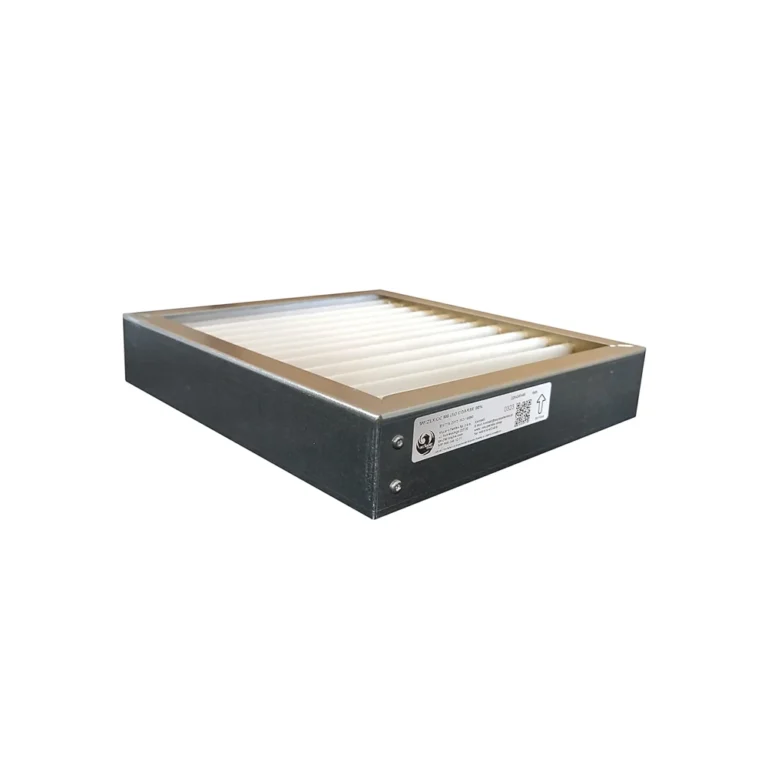
Filters for growing plants are a key component of any modern crop. Whether you run a small greenhouse with herbs or a professional plantation, proper air purification is of paramount importance. But why? Air full of pollutants, microorganisms or pollen can negatively affect the health of plants and, as a result, the quality of crops.
What’s more, these filters do a great job of controlling odors. Crops, especially larger ones, can generate quite intense aromas that are not necessarily desirable in the environment. Carbon filters neutralize these odors while ensuring adequate air circulation.
What about humidity? High-quality filtration systems help keep it at an optimal level, which is especially important for tropical plants or delicate species. A better microclimate means healthier plants – and after all, that’s the point, right?
For many grower owners, energy savings are an added bonus. Modern filters are designed to operate efficiently, but at the same time economically. It’s an investment that pays off quickly, especially in the long run.
It’s also worth noting that filters can be tailored to the specifics of your operation. From small kits to advanced systems for professionals, there is something for everyone. Clean air, healthier plants, fewer problems. Sounds like a good plan, right?
Filters for growing plants – the key to healthy growth
Plant breeding filters may sound like something out of a botany lab, but in fact they are tools that are changing the way we approach growing crops under cover or in artificial conditions. Have you ever wondered why some plants in greenhouses grow like crazy, while others barely survive? One of the secrets is proper filtration of air, water and light. It sounds simple, but you might be surprised how many factors come into play here.
Clean air – the foundation of any culture
Did you know that airborne pollutants can significantly affect the growth of your plants? Pollen, dust, mold or unwanted fungal spores can effectively sabotage you in your agricultural mission. Air filters used in plant breeding eliminate these threats, ensuring that plants breathe the way they should – clean and safe air. It’s a bit like us – it’s hard to concentrate when there’s smog in the air, isn’t it?
In growing systems such as hydroponics or aeroponics, air filters are even essential. In confined spaces, any contamination can spread at an alarming rate. HEPA filters, which are often used in such cases, trap even microscopic particles, so your plants are protected from disease and negative environmental impacts.
Different types of filters and their uses
Depending on the type of culture and its scale, plant culture filters can be divided into several categories. Here are the most popular ones:
- Mechanical filters: trap larger contaminants such as pollen and dust.
- Carbon filters: ideal for removing odors and chemical contaminants.
Each of these filters has its own unique application and is necessary for certain conditions. Choosing the right type depends on what problems you want to solve and the requirements of your farm.
Filters and ecology – do they go together?
At first glance, filters may seem like a low-environmental solution – after all, it requires additional resources and technology. But the truth is that well-chosen filtration systems can reduce the use of chemicals, improve breeding efficiency and reduce waste. For example, carbon filters help eliminate odors in indoor cultures, which in turn minimizes the need for chemical odor neutralizers.
And what about replacing filters? Many of them can be remanufactured or recycled, further reducing their environmental impact. It’s also worth paying attention to quality – sometimes it’s better to invest in a more expensive but longer-lasting filter than a cheap model that needs to be replaced every few weeks.
When to reach for filters?
Not every grower requires advanced filtration systems, but there are situations when filters become necessary. If you’ve noticed that your plants are getting sick, their growth is uneven, or if you’re dealing with limited space where contaminants can easily accumulate – filters can be the solution to your problems.
Think about it in terms of scale, too. In a small garden, you can afford a more “natural” approach, but in a large greenhouse or commercial grower, not having filters is like driving a car without brakes. Sooner or later, problems will arise.