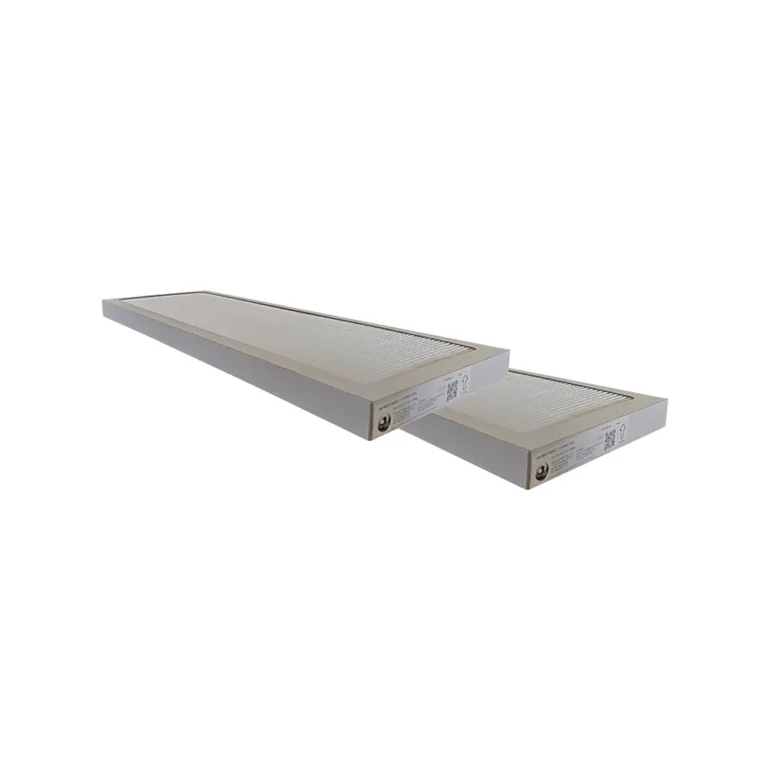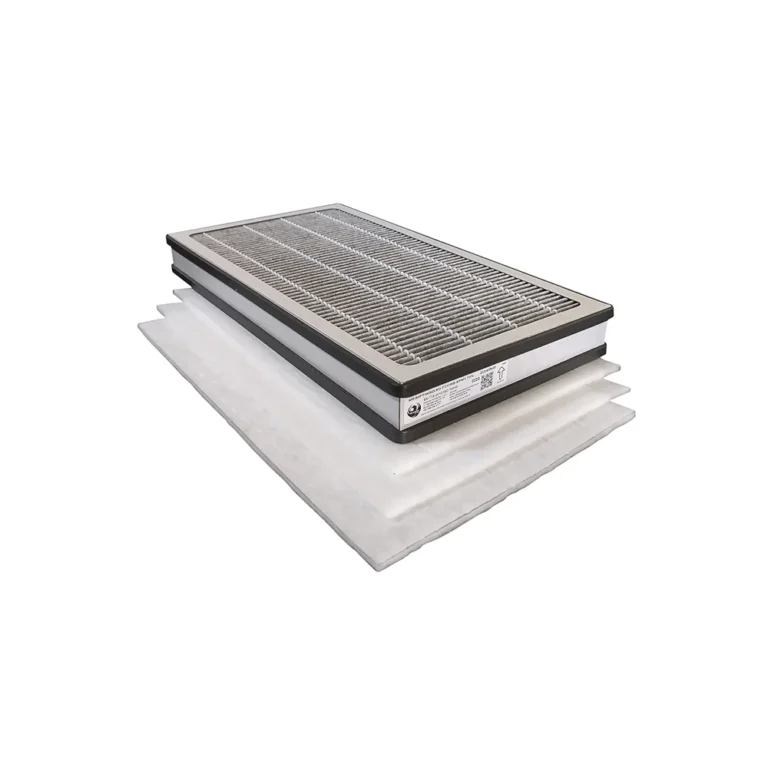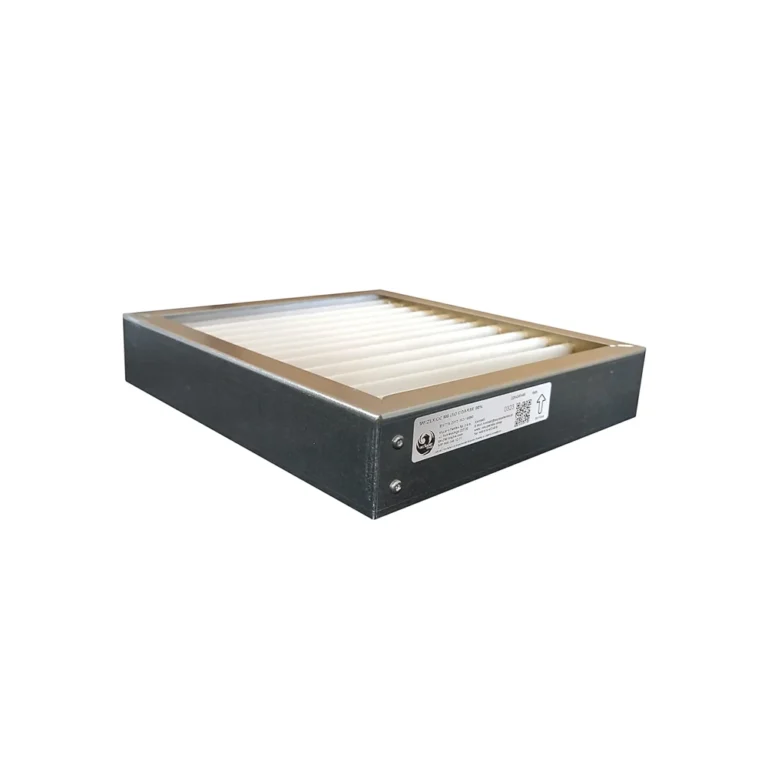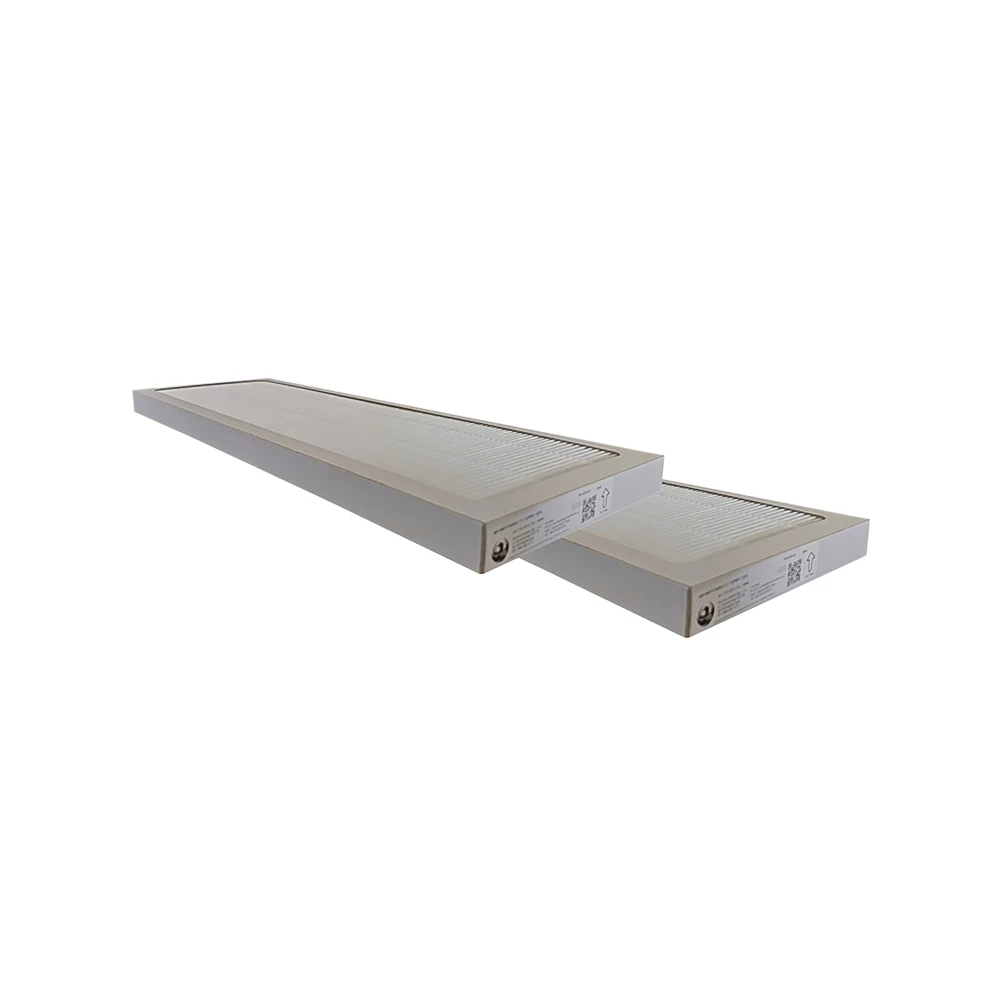
Recuperator filters are an inconspicuous but key component of any mechanical ventilation system with heat recovery. Their main task? Purifying the air that enters your home, office or other room. Thanks to them, you can breathe fresh air, free from dust, pollen or other pollutants. But did you know that the right filter is also protecting the recuperator itself? After all, impurities can settle on the heat exchanger, reducing its efficiency.
Depending on your needs and conditions, you can choose from different classes of filters. Pre-filters are great for dealing with larger particles, such as dust or pet hair. However, if you want higher air quality, it’s worth reaching for fine filters – these stop even fine pollen or smog. Or maybe you live in an area with high air pollution? In that case, carbon filters can be a hit, neutralizing unpleasant odors and harmful gases.
Regular filter replacement is a must. Neglecting to do so can lead to a decrease in the efficiency of the system and even damage it. How often to do it? Usually every 3-6 months, although it all depends on the intensity of use and air quality in your environment. It’s not worth saving on filters – it’s an investment in your health and living comfort.
Recuperator filters – the key to clean air in your home
Recuperation is not only a modern technology, but above all a way of healthy and comfortable living. However, even the most advanced mechanical ventilation system requires the right components to work effectively. Recuperator filters are one of those components that have a huge impact on the air quality in your home. But have you ever wondered how exactly they work and why they are so important?
Why are filters essential in a recuperator?
A recuperator is a device that exchanges indoor air while recovering heat from the exhaust air. Without filters, contaminants such as dust, pollen or even small insects could get in. The filters thus act as a gatekeeper to ensure that the air in your home is clean and healthy.
What’s more, the filters protect the recuperator itself from damage. Imagine dirt particles getting into the unit – they can settle on the heat exchanger, reducing its efficiency and, in extreme cases, leading to failure. It’s a bit like a car – regular oil and filter changes are essential to keep the engine running smoothly.
Types of filters for recuperators – which one to choose?
There are several types of filters on the market, which differ not only in the material they are made of, but also in their effectiveness. Here are the most popular of them:
- Basic filters (class G3, G4): These are the simplest filters that trap larger particles such as dust and pollen. Ideal for places where the air is not heavily polluted.
- Intermediate filters (class M5, M6): More effective than the basic ones, they also retain finer particles.
- Fine filters (F7, F9 class): These are true champions in their category. They stop up to 80% of 1-micron particles, including bacteria and viruses. Ideal for people who are particularly sensitive to air quality. Recommended for people with allergies.
- Carbon filters: In addition to mechanical impurities, they also eliminate unpleasant odors and harmful gases such as formaldehyde and benzene.
Choosing the right filter depends on several factors: the location of the house, the level of air pollution in the area and the individual needs of the householder. Do you live in the city center? Opt for fine or carbon filters. Are you allergic to pollen? Carbon filters can be a hit.
How often should you change filters?
This is a question that many recuperator owners ask themselves. The answer is not clear-cut, because it all depends on the conditions in which the device works. In standard conditions, it is recommended to change the filters every 3-6 months. However, if you live in a place with high air pollution, for example, near a busy road, it is worth checking the filters more often – even every 2-3 months.
Some manufacturers of recuperators equip their devices with sensors that tell you when the filters need to be changed. This is a very convenient solution, which allows you to avoid the situation when the filter is already so dirty that it no longer serves its purpose.
Replacement on your own or help from a specialist?
Replacement of filters in a recuperator is usually a simple operation that can be done by yourself. Just open the housing of the device, remove the old filter and insert the new one. It is important to carefully check that the new filter is properly fitted – even small leaks can reduce the efficiency of the entire system.
However, if you don’t feel up to the task, you can always get help from a specialist. When replacing filters, a professional can also check the condition of the recuperator and perform maintenance.
Filters vs. ecology – what to do with the used ones?
In an era of growing environmental awareness, many people are wondering what to do with used filters. Unfortunately, most of them are not recyclable and must go into the mixed waste. However, it is worth choosing filters from manufacturers that care about the environment and use biodegradable materials.
If you care about the environment, you can also consider buying reusable filters. They are made of materials that can be washed and reused, reducing waste.
An investment in health and comfort
Recuperator filters are not just a technical component, but most importantly an investment in your family’s health and comfort. Thanks to them, you can enjoy clean air in your home, regardless of the conditions outside. Remember, however, that even the best filter will not do its job if it is not replaced regularly. That’s why it’s worth treating it as an ongoing part of taking care of your home – just like cleaning or maintaining other appliances.