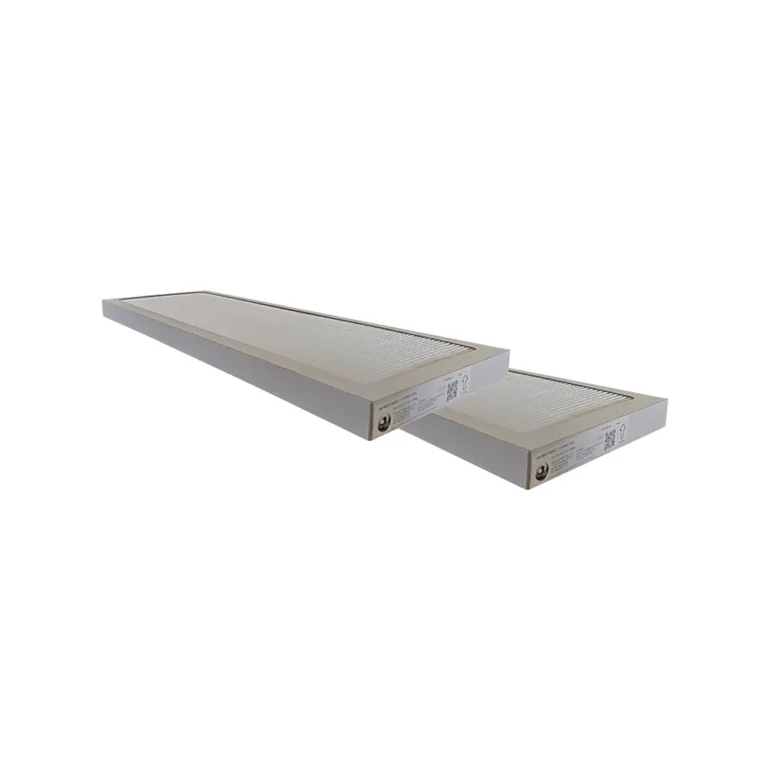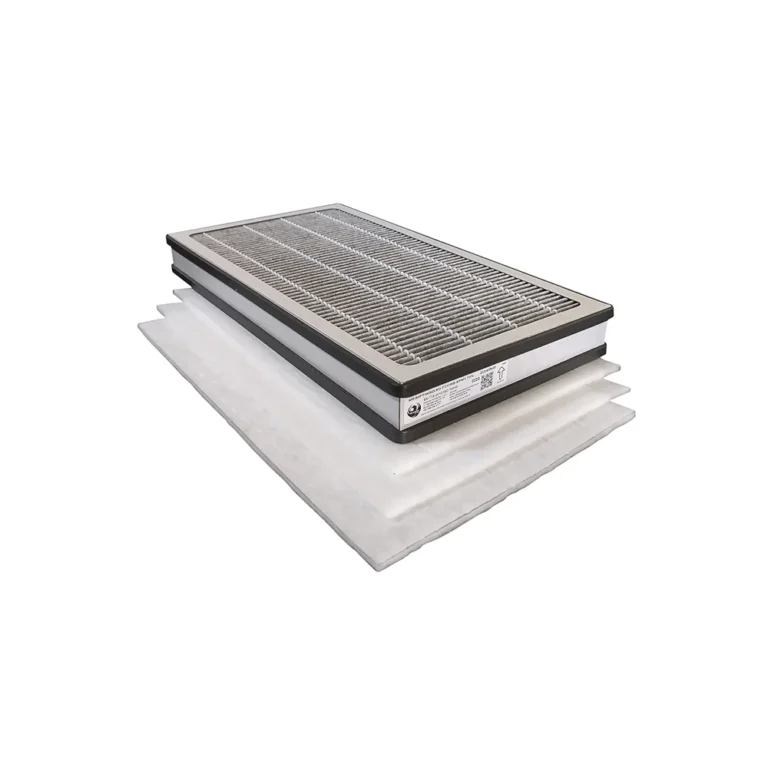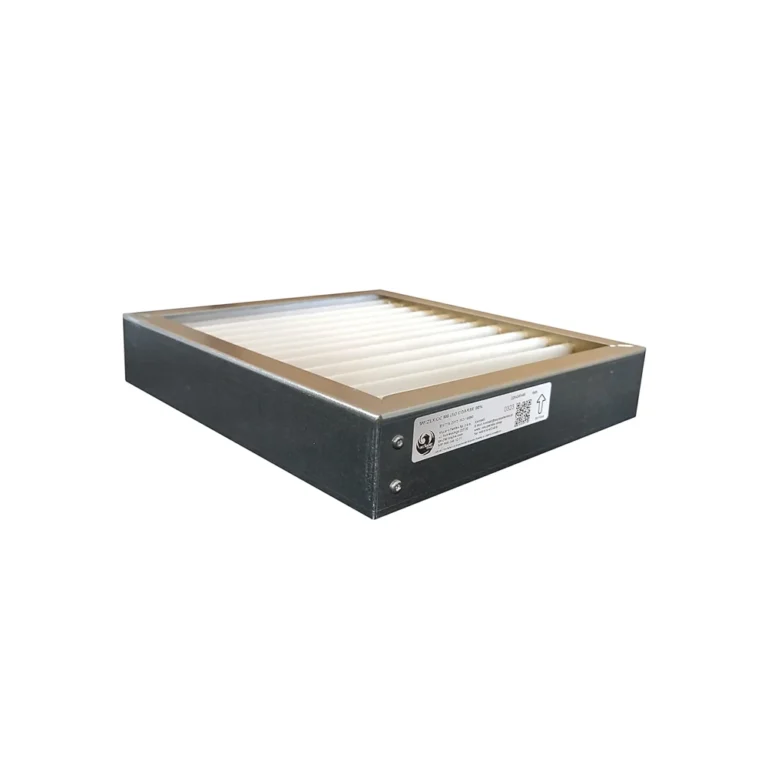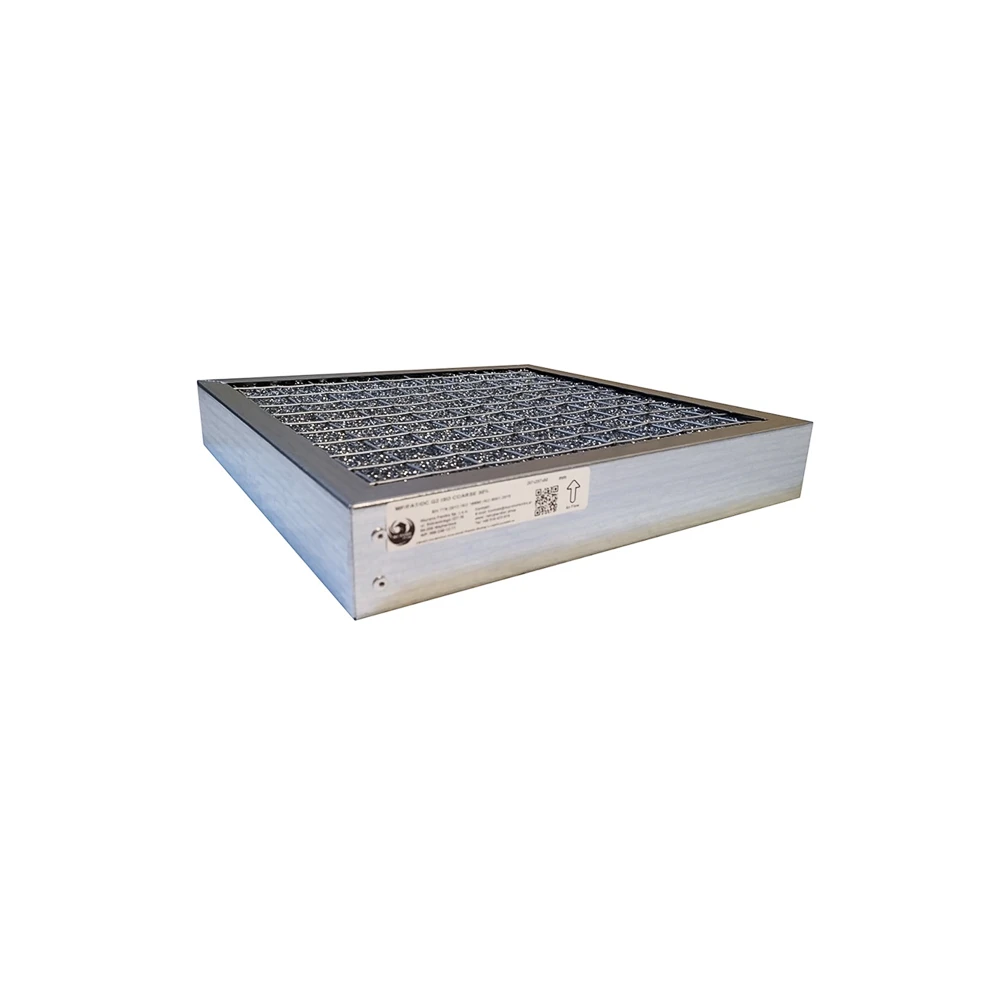
Filters in recuperation – clean air at your fingertips
Recuperative home filters are not only a way to improve air quality, but also an investment in health and comfort in everyday life. Have you ever wondered how many pollutants may be in the air you breathe in your home? With properly selected filters, you can forget about dust, allergens, smog or unpleasant odors.
Depending on where they are used, filters in a recuperation system can perform different functions:
Filters in the recuperation unit – this is a key component of the mechanical ventilation system. Their task is to clean the air supplied to the building and protect the heat exchanger from dirt. They can eliminate dust, pollen, allergens, bacteria, viruses and smog.
Filters in diffusers – additionally used in some recuperation systems to further purify the air entering individual rooms.
Filters in extractors – their function is to protect the ventilation ducts from sediment and dirt, ensuring a longer life of the recuperation system.
Not sure which filter will be best for your recuperation system? It all depends on the air quality in your area and your individual needs. Sometimes a standard G4-class filter is enough, and sometimes it’s worth investing in a high-performance fine or carbon filter. Changing filters regularly is key to their effectiveness. After all, the point is to keep the air not only clean, but also safe for the whole family.
Why are filters in recuperation not just a luxury?
Clean air is the basis for a healthy life. But have you wondered what can circulate in your home without proper filtration? Smog, dust, pollen, viruses, bacteria – these are just some of the pollutants that can negatively affect your health. Filters in a recuperation system are a guarantee that the air you breathe is free of harmful substances. This is not a fad – it is an investment in health and comfort.
For what places are filters used in recuperation?
Filters in a mechanical ventilation system can be used in various places in the house to ensure the best possible air quality. Here are some examples:
- Recuperation unit: Supply and exhaust filters protect the heat exchanger and purify the air entering the home.
- Indoor vents: Some systems use additional filters to improve air quality in individual rooms.
- Kitchen and bathroom: In these areas, effective filtration is particularly important to prevent grease, moisture and odors from settling in the air ducts.
Filters in the recuperation unit – cleanliness and protection in one
The air entering the building through the mechanical ventilation system should be as clean as possible. The right filters prevent harmful dust, allergens and smog from entering, which is crucial for the health of residents.
G4 class filters – the basic filters used in recuperation. They effectively stop larger dust and dust particles.
F7 class filters – filter finer particles, including pollen, PM2.5 smog particles and bacteria.
F9-class filters – the highest level of filtration that stops even the smallest particles, including viruses and PM1 dust.
Carbon filters – ideal for removing unpleasant odors, volatile organic compounds and exhaust fumes.
Filters in ventilators – extra protection
Some recuperation systems allow the installation of additional filters in the diffusers, which further purify the air entering the rooms. This is especially important in cities with high levels of smog.
Filters in extractors – cleanliness of air ducts
Exhaust filters protect the ventilation system from the buildup of dust, grease and moisture, which can lead to the formation of mold and bacteria in the ducts. They keep the recuperator running efficiently for a longer period of time.
How do filtration systems work in recuperation?
Recuperation filtration systems use various technologies to effectively clean the air:
- Mechanical filters – trap dust, dirt and larger particles.
- Electrostatic filters – use an electric charge to attract fine particles.
- Activated carbon filters – eliminate odors and chemical pollutants.
- HEPA filters – remove the finest particles, including bacteria and viruses.
Filters in recuperation and ecology
Did you know that filters in recuperation can help protect the environment? Thanks to them, you reduce the amount of dust and dust in the air, reduce energy consumption and improve the efficiency of the ventilation system. By choosing high-quality filters, you not only take care of your health, but also the planet.
What to pay attention to when choosing filters for recuperation?
Choosing the right filters for recuperation can be a challenge, but it is worth paying attention to a few key points:
- The type of pollution: Do you live in a city with heavy smog? Or do you have allergies to pollen? Choose the right filter for your needs.
- Filtration class: Basic G4 filters are cheaper, but if you want better air quality, it’s worth investing in F7 or HEPA.
- Ease of replacement: Check how often you need to replace filters and whether installation is easy.
- Operating costs: It’s worth comparing filter prices and filter life to avoid high utility costs.
Recuperation filters are the foundation of clean air in your home. They help you breathe healthier, save on heating and extend the life of your ventilation system.