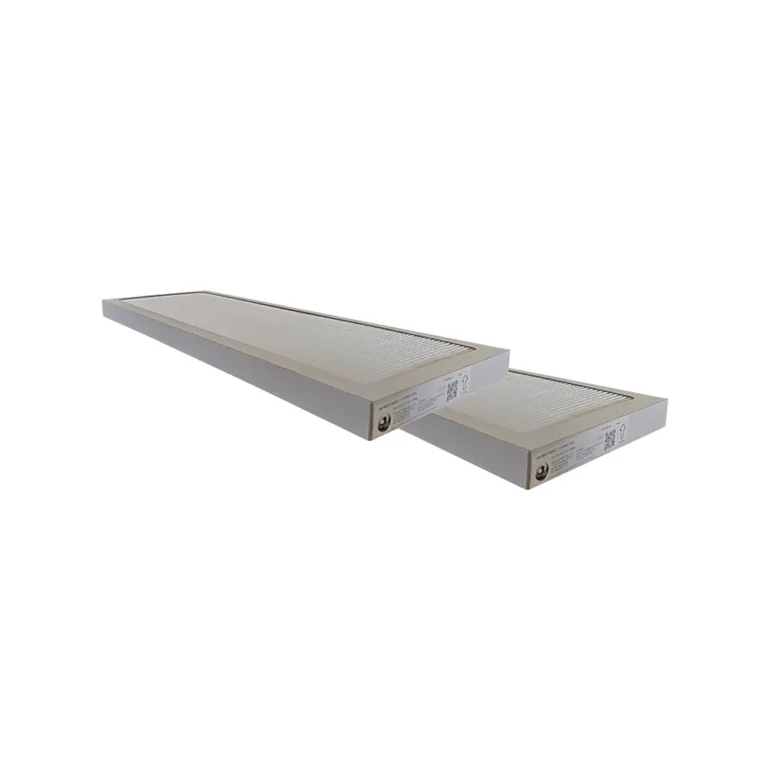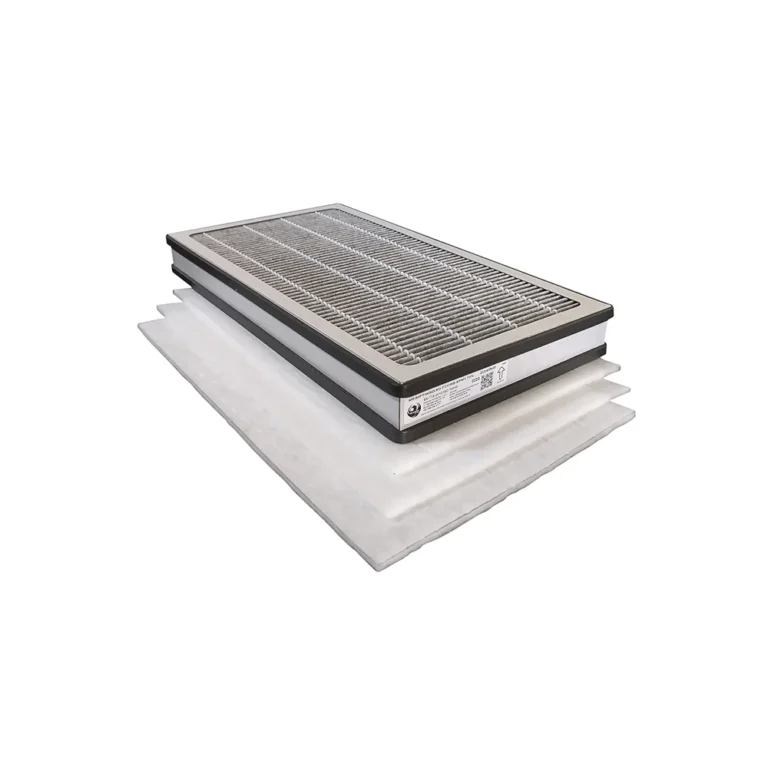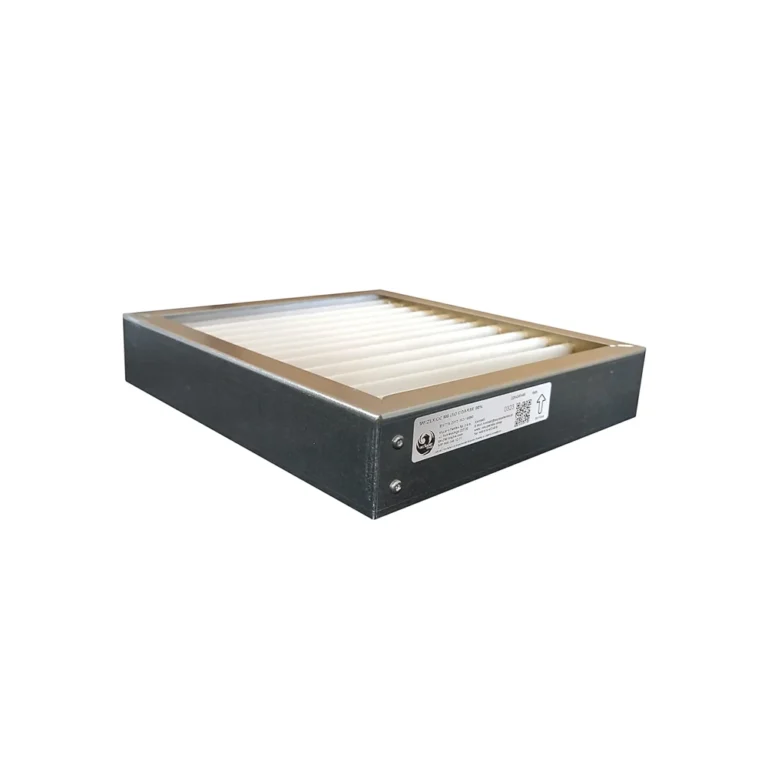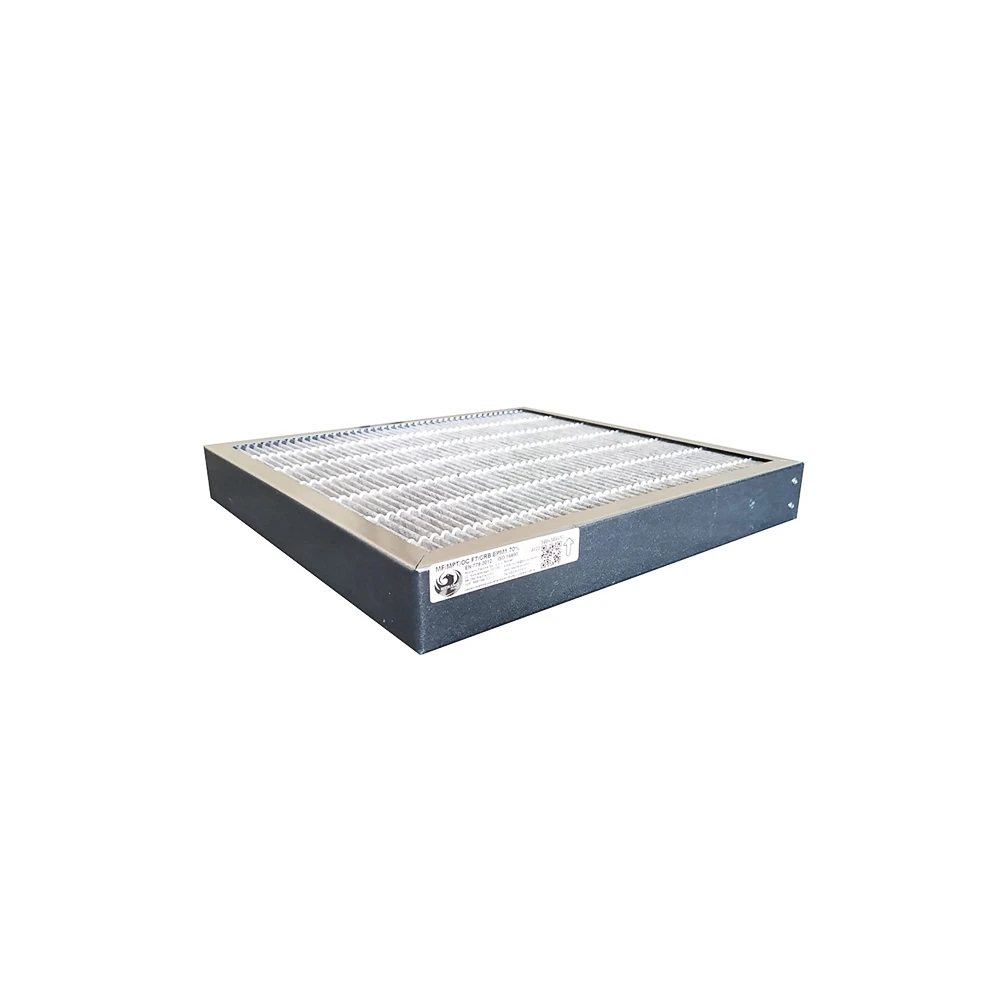
Fine filters are an indispensable solution when you want the highest quality purification of air, liquids or gases. They are characterized by precise operation, capable of capturing even the finest impurities. As a result, they are used in a wide range of industries – from the food industry, to pharmaceuticals, to advanced technologies.
Their design is based on materials of high strength and efficiency, such as fiberglass, polypropylene and stainless steel. They are often used in areas where cleanliness is crucial – whether in production lines or laboratories. But it’s not just a matter of technology. Think about how important it is to breathe clean air at home or in the office. Fine filters also take care of our health by eliminating dust, pollen or allergens.
Some models offer additional features, such as heat or chemical resistance. This makes them a versatile choice for demanding work environments. It’s worth paying attention to replacing them regularly to maintain maximum efficiency. Isn’t it fascinating how something so small can have such a huge impact on the quality of life and work?
Fine filters: the key to clean air and reliable equipment operation
Fine filters are one of those items that may seem insignificant at first glance, but in fact play a key role in many areas of our lives. From industry to medicine to everyday use in homes, their applications are truly wide-ranging. But what actually makes precision filters so special? And why are they worth paying a moment’s attention to?
What are precision filters?
Fine filters are devices or materials that are used to remove very fine particles from air, liquids or gases. They can retain contaminants ranging in size from a few micrometers to as small as 1 micron. As a result, they ensure excellent quality of the filtered medium, which is essential in many technological processes and everyday applications.
It is worth noting here that fine filters differ from standard filters in that their particle retention capacity is much higher. Imagine trying to strain fine sand from water – an ordinary sieve may not be enough, but a precision filter will.
Where are fine filters used?
Fine filters are used in many industries and fields. Here are some examples that show how versatile they can be:
- Pharmaceutical industry: In the production of drugs and vaccines, purity is key. Fine filters help remove bacteria, viruses and other contaminants that could affect product quality.
- Food industry: Air used in manufacturing processes, must be free of contaminants. Fine filters ensure that food products are safe for consumers.
- HVAC systems: In ventilation and air conditioning systems, precision filters ensure clean indoor air, which is especially important in hospitals or laboratories.
- Electronics industry: The production of microprocessors and other advanced devices requires extremely clean conditions. Even the smallest particles can damage delicate components.
- Automotive: Fine filters are used in engines to protect them from fine contaminants that can cause wear and failure.
Types of fine filters
Not every fine filter is the same. Depending on the application and requirements, there are several types:
F7 filters
F7, F8 filters are some of the most popular fine filters. They are able to stop particles as small as 2.5 microns. It is thanks to them that the air in hospitals, laboratories or homes of allergy sufferers is so clean.
F9 filters
Even more advanced than F8 filters are filters that are capable of trapping 1-micron particles, making them ideal for the most demanding environments, such as research laboratories or semiconductor manufacturing.
Activated carbon filters
Although activated carbon is mainly associated with odor removal, filters using it are also highly effective at trapping particulates and neutralizing harmful chemicals. They are used in air purifiers or ventilation systems.
Why is it worth investing in fine filters?
You might think that filters are just an additional cost. But are they really? In fact, their use has many benefits, both economically and in terms of health.
First, fine filters protect equipment from wear and failure. Imagine fine particles getting into a car engine – the consequences can be costly. Second, they keep the air clean, which has a direct impact on people’s health. Isn’t it worth it to breathe air that is not contaminated with dust or allergens?
What to look for when choosing fine filters?
Choosing the right filter is quite a challenge. Here are some things to consider:
- Filtration efficiency: Is the filter capable of retaining particles of the required size?
- Material: Is the filter material resistant to the conditions in which it will be used?
- Efficiency: Does the filter cause too much pressure drop in the system?
- Durability: How long can the filter be used before it needs to be replaced?
Fine filters in everyday life
Fine filters are not just technology – they are an investment in cleanliness, health and reliability. Although we don’t notice them on a daily basis, their role is invaluable. So it’s worth taking a moment to understand how they work and what benefits they bring. After all, who wouldn’t want to breathe clean air or use reliable appliances?