The purpose of using flat filters
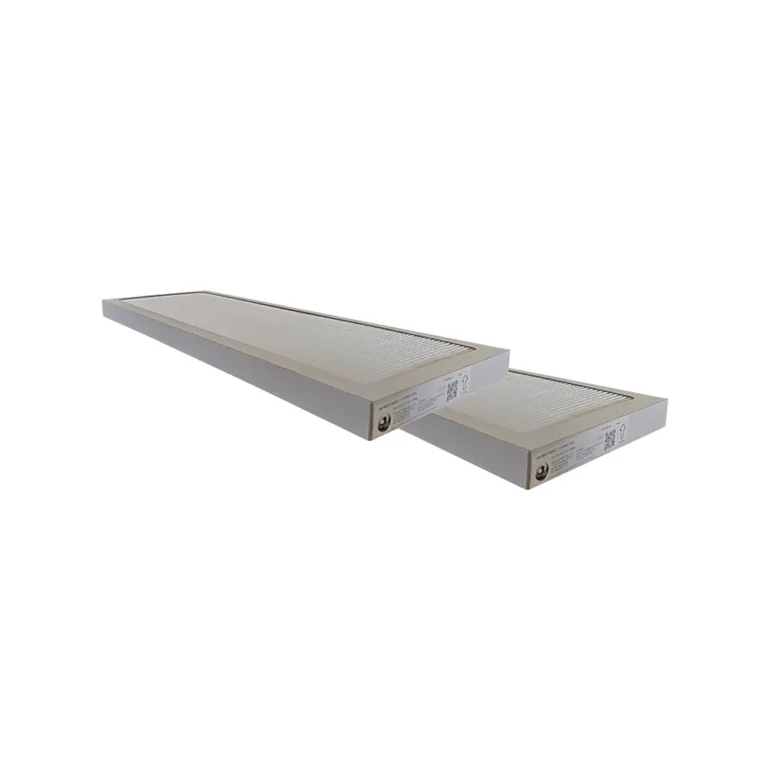
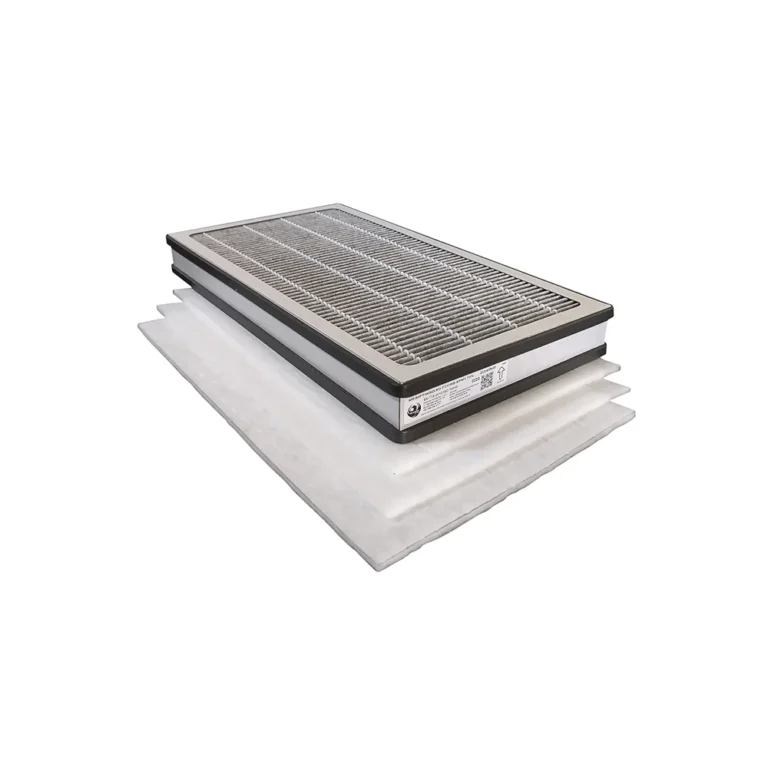
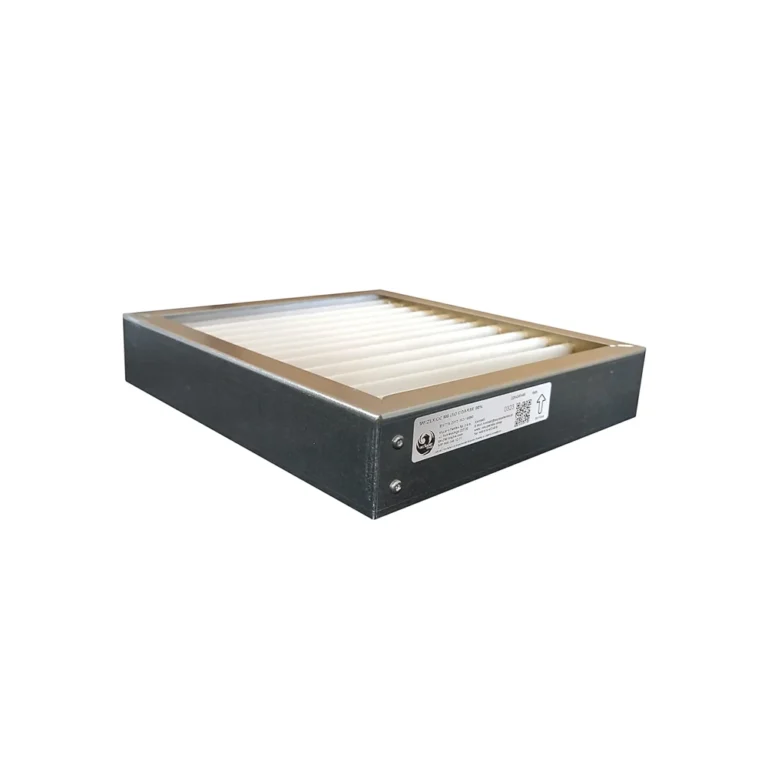
Flat filters are an essential component of ventilation and air conditioning systems, and their main purpose is to clean the air of impurities. With the use of flat filters, it is possible to remove dust from the air, which contributes to improving indoor air quality. These filters increase the efficiency of air handling equipment, protecting it from contaminants that could lead to damage or reduced efficiency.
Application of flat filters in equipment
Flat filters are widely used in a variety of devices that require effective air purification. They are commonly used in air conditioning and ventilation systems, as well as in air purifiers. In addition, flat filters can be found in industrial equipment, such as air compressors and extraction systems, where their function is to protect machinery from contaminants. In homes, these filters are often used in vacuum cleaners and recuperation systems. Thanks to their versatility, flat filters can be adapted to different types of equipment, ensuring their effective operation and longevity.
Custom filter production
One of the key advantages of flat filters is that they can be manufactured to order, allowing us to customize their size and characteristics to meet specific customer needs. Whether you need a filter for a small home appliance or a large industrial system, we are able to manufacture a filter with the appropriate dimensions and parameters. It is also worth mentioning the classes of filters, which determine their effectiveness in retaining contaminants. Depending on your needs, we can provide filters of different classes, such as G3, G4 or M5, which differ in their ability to retain particles of a certain size. In this way, each customer can get a product that is ideally suited to their requirements and conditions of use.
What are flat filters?
Flat plate filters are versatile and used in a variety of industrial and domestic applications. Their main task is to eliminate contaminants from the air or gases, which provides better working conditions for machinery and equipment and improves the quality of life. These filters are characterized by a simple design that allows easy installation and maintenance.
Production of flat filters
The production of flat filters is based on several key steps that ensure their high quality and efficiency. The basic material used in production is the filter fabric, which can be made of various plastics, such as polyester, polypropylene or glass fibers. Depending on the application, the nonwoven fabric can be reinforced with additional layers to increase its mechanical strength.
The manufacturing process begins with cutting the nonwoven fabric into the appropriate shapes and sizes. The nonwoven fabric is then laminated and glued to ensure its durability and proper structure. Finally, the filters are tested for filtration efficiency and strength to meet all quality standards.
Materials used in production
The materials from which flat filters are made are crucial to their durability and effectiveness. Polyester is the most commonly used material because of its resistance to moisture and chemicals, as well as its high tensile strength. Polypropylene is used where resistance to high temperatures and acids is required. Fiberglass is ideal for applications requiring very high chemical and thermal resistance.
Characteristics of flat filters
Effectiveness and efficiency
Flat filters are characterized by high filtration efficiency, which means that they are able to retain even the finest particles of dirt. Their efficiency is often determined by the degree of filtration, which can range from a few to several micrometers. This makes them ideal for the pharmaceutical and food industries, as well as for ventilation and air conditioning systems.
Ease of installation and maintenance
The simple design of flat filters makes them easy to install and remove. Their maintenance does not require specialized tools or skills, making them an extremely practical solution for industrial plants and households. Regular replacement of filters guarantees long life of the equipment in which they are used.
FAQ – Flat filters
Where can I buy and order air filter – flat filters?
Flat filters can be ordered from Murano Phoenix. Production time is usually a few days. In addition, already produced filters are available in the store and can be purchased immediately. BUY A FLAT FILTER
How can I find out which filter I need?
In order to choose the right filter, please provide its dimensions and filtration class. You can also attach a photo of the filter you are currently using, which will make it easier to identify and select the manufacture of the correct counterpart.
How much does a filter cost – flat filters?
The price of the filter depends on its size and type, but our prices are competitive and attractive to customers.
For which brands of equipment do you produce filters?
We manufacture replacement filters for brands such as ALNOR, BERLUF, ENERVENT, AEREX, AERIS, AGPOFEROLI, ALDES, ASPOL-FV, AUERHAAN, AWB, BENZIG, BLUMARTIN, BEGETUBE, BERGSCHENHOEK, BRINK, BULEX, COMAIR, DOSPEL, DANFOSS, DANTHERM, DE DIETRICH, DEFRO, ENEV-AIR, FLAKTWOODS, among others, FRANKISCHE, FRAPOL, HELIOS, HERU, HENEMANN, ITHODAALDEROP, JAGA CLIMATE, KLIMOR, KOMFOVENT, LINDAB, MAICO, MITSUBISHI ELECTRIC, FLEXIT, ILTO, ITHO, OXYGEN, RENSON, SALDA, TWEETOP, NEDAIR, NILAN, NIBE, ORCON, PAUL, PFANNENBERG, PLUGGIT, PRODMAX, WANASS, RUCON, SAMSUNG, S&P, J. E.STORKAIR, SWEGON, SWENTIBOLD, SYSTEMAIR, TITON, UBBINK, WAILLANT, VALLOX, WASCO, VELU VENTILATIRTECHNIEK, VIESSMANN, WERING, WESTAFLEX, WOLF, STIEBEL ELTRON, THESSLA GREEN, TRINNITY, VENT CELAR, ZEHNDER, and many others.To moisture and chemicals, as well as high tensile strength.Polypropylene is used where resistance to high temperatures and acids is required.Glass fibers are ideal for applications requiring very high chemical and thermal resistance.