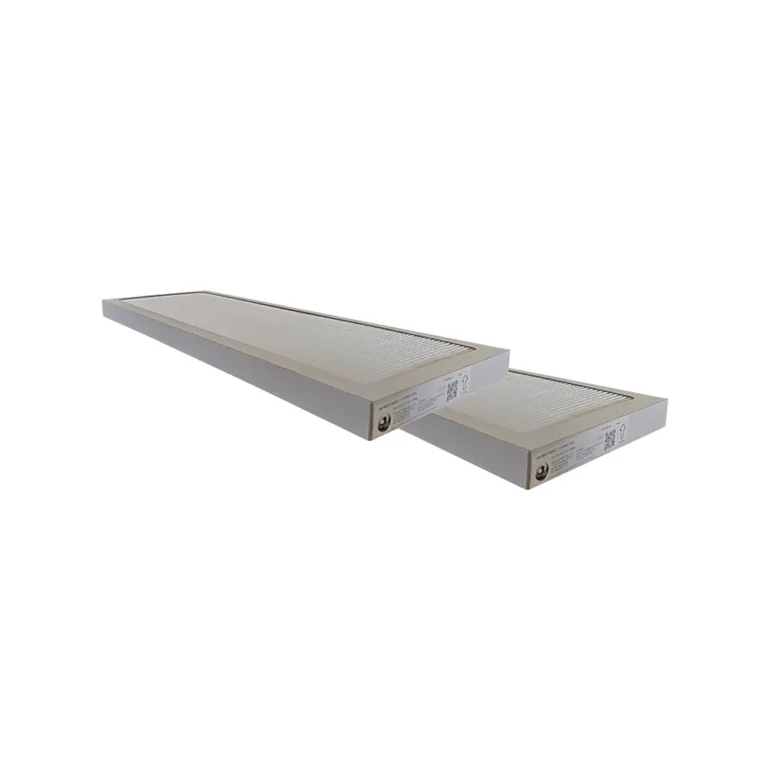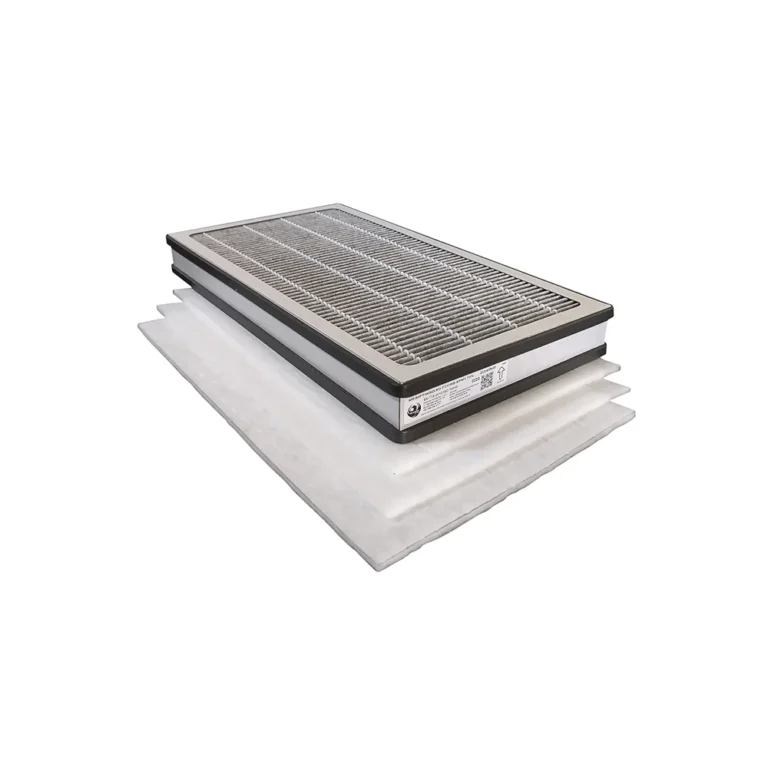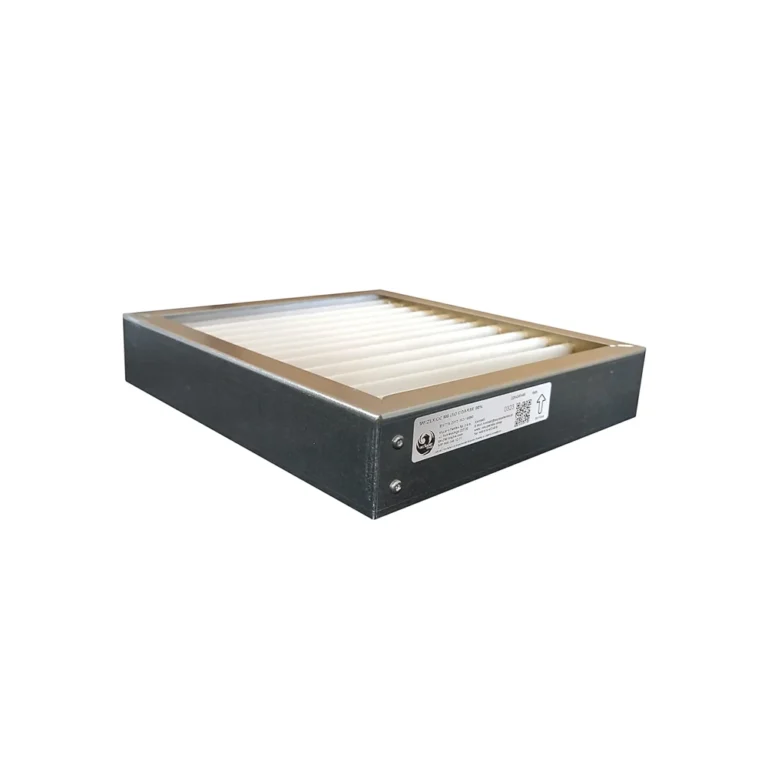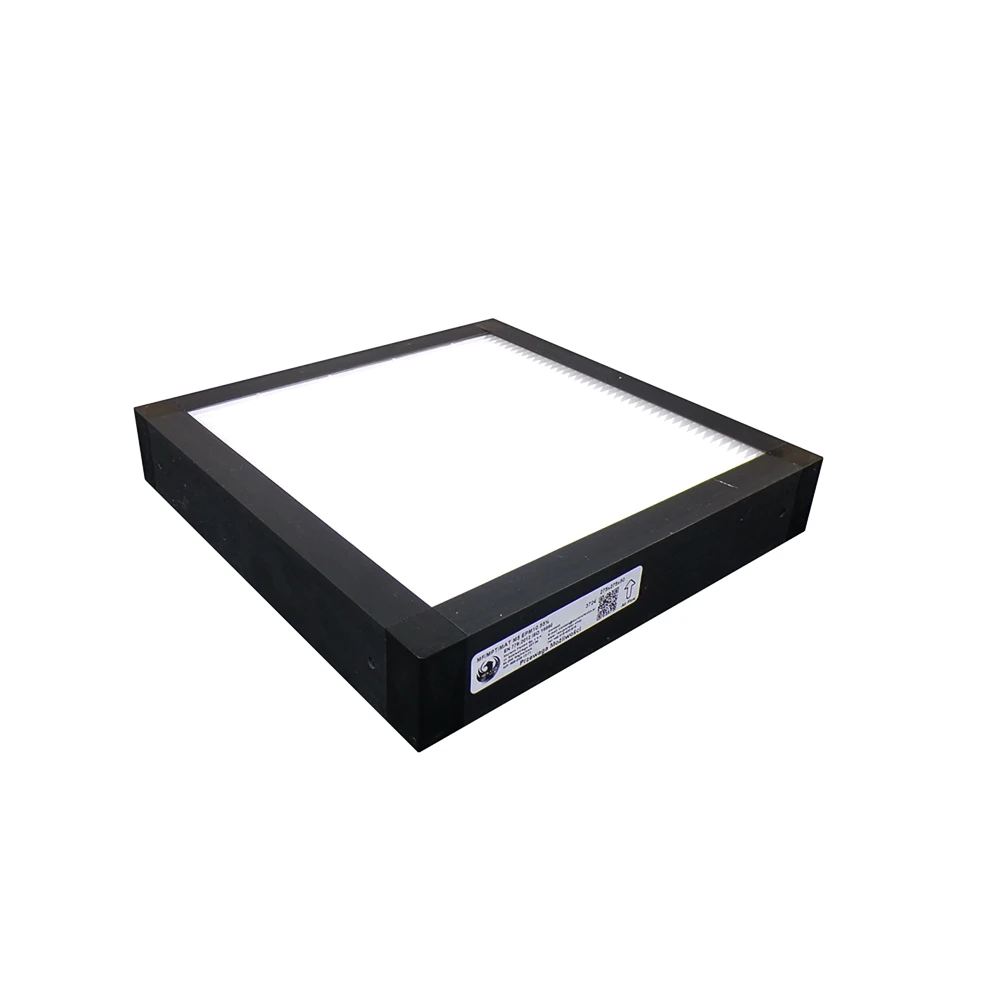
Laboratories are places where air cleanliness is critical. Contaminants can affect the accuracy of tests, lead to contamination of samples and even pose health risks to workers. That’s why air filters are an integral part of ventilation and safety systems in chemical, biological, pharmaceutical or environmental laboratories.
Laboratory filters – an indispensable tool in the world of precision
Laboratory filters are small but extremely important pieces of equipment for any laboratory. Their use extends from simple processes of purifying air that may contain a number of harmful substances . Have you ever wondered how important their role is in the daily work of scientists, technicians or even industry? Let’s take a closer look at how laboratory filters affect different fields of activity.
Cleanliness and precision – the foundations of any laboratory
There is no doubt that laboratories are places where precision and cleanliness are crucial. Laboratory filters ensure the removal of unwanted particles, contaminants or microorganisms. This ensures that test results are accurate and reliable. Think about it – without proper filtration, how could chemical, biological or pharmaceutical analyses be trusted?
With the right filters, these contaminants can be effectively removed, ensuring the safety of research and the health of personnel.
Different types of activities, different needs
Laboratory filters are used in a variety of industries and scientific fields. Here are some examples:
- Pharmaceutical industry: In drug manufacturing, filters are used to purify solutions, sterilize and remove microorganisms. After all, who would want to take a drug that has not been properly purified?
- Biotechnology: In this rapidly growing field, filters are indispensable for cell culture, enzyme production or DNA research. Without them, contamination could destroy entire experiments.
- Food industry: Filters help analyze the quality of water, beverages or food products. Water used in production must meet strict standards, and laboratory filters are a key part of this process.
- Environmental protection: Samples of soil, water or air are cleaned and analyzed with filters, allowing accurate monitoring of the environment.
Is every filter the same?
Absolutely not! Laboratory filters differ not only in the material they are made of, but also in pore size, shape or purpose. For example:
- Membrane filters: Used in microbiological analysis or gas filtration.
- Glass filters: Resistant to high temperatures, they are great for analyses requiring aggressive chemicals.
- Nonwoven filters: Used mainly for pre-filtration when high precision is not required.
Choosing the right filter depends on the specific application. Sometimes we need a filter for quick removal of larger particles, and other times for ultra-precise filtration of nanoparticles. Sound complicated? In reality, it’s a matter of experience and knowing your own needs.
Why is it so important to choose the right material?
The materials of laboratory filters are of great importance for their effectiveness. For example:
- Polypropylene: Highly chemically resistant, ideal for analyzing aggressive chemicals.
- PTFE: Excellent for filtration of gases and aggressive liquids.
- Nitrocellulose: Popular for microbiological analysis due to its ability to trap microorganisms.
- Borosilicate glass: Its ability to withstand high temperatures makes it ideal for industrial applications.
Can you imagine a situation where you use a filter that is not resistant to a particular solvent? It could end in disaster – both for the test results and for the equipment itself.
Laboratory filters and ecology
In an era of growing environmental awareness, it is worth considering the impact of filters on the environment. More and more manufacturers are offering biodegradable or recyclable filters. This is not only good for the planet, but also for the laboratory’s budget, which can reduce costs associated with waste disposal. And who wouldn’t want to combine efficiency with environmental concerns?
How to take care of the filters to make them last as long as possible?
Although laboratory filters are often disposable, some can be used repeatedly, provided they are properly maintained. It is important to:
- Avoid exceeding recommended pressure and temperature limits.
- Clean the filters according to the manufacturer’s instructions, using appropriate chemicals.
- Store them in a dry and clean place, away from contaminants.
Neglecting these simple rules can shorten the life of the filter and affect the quality of test results. And, after all, no one wants to risk errors in such key issues, right?