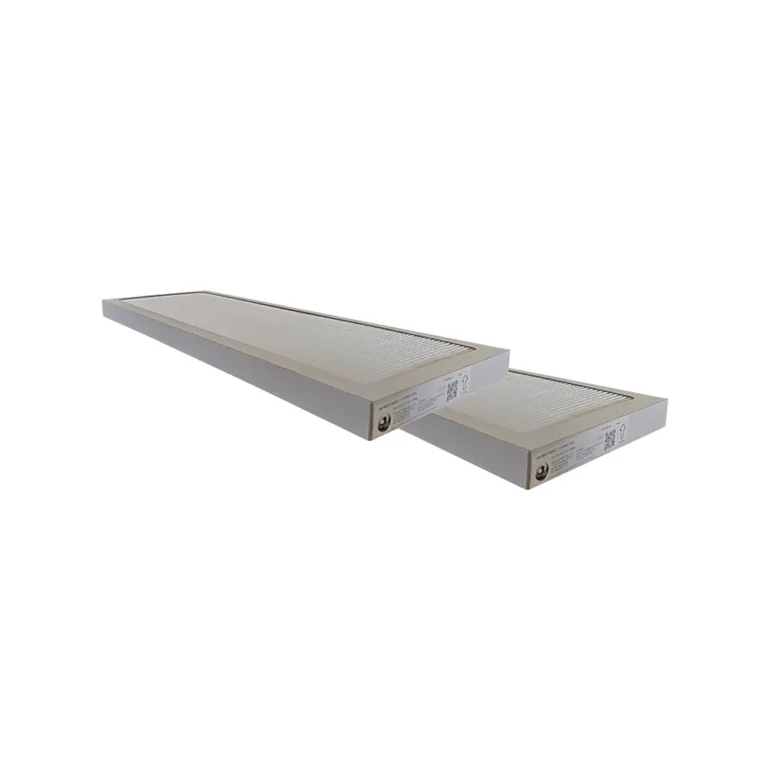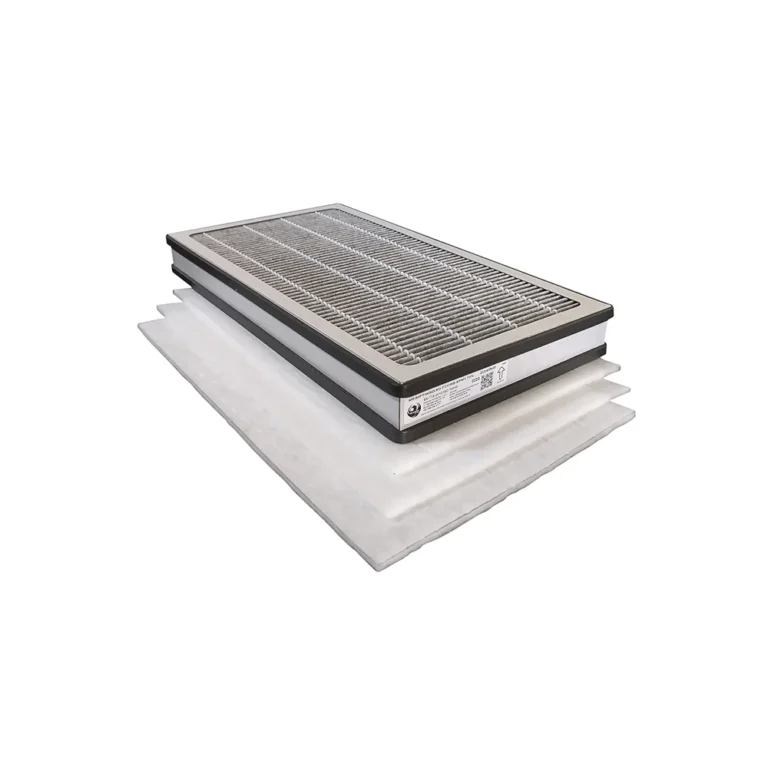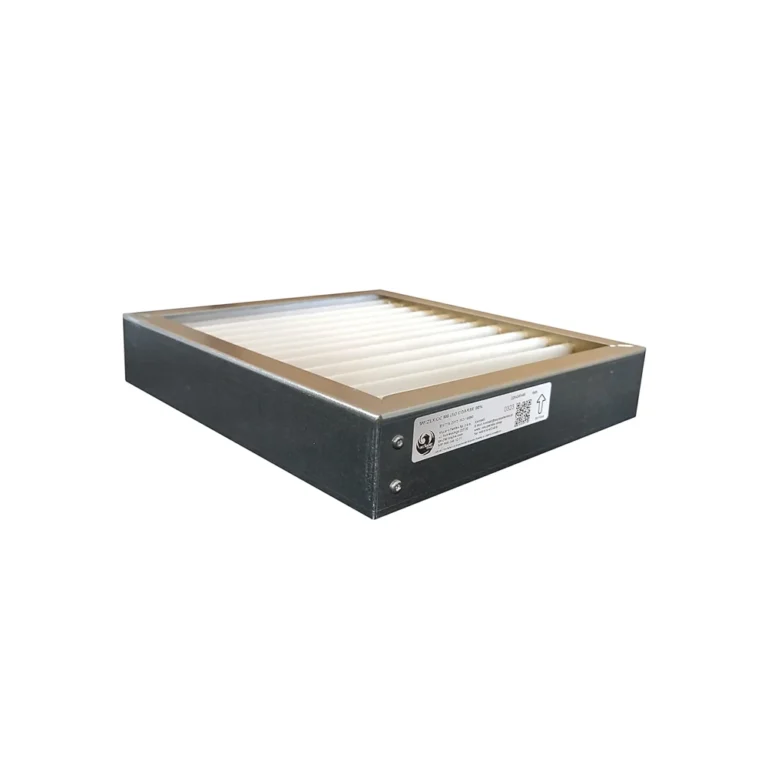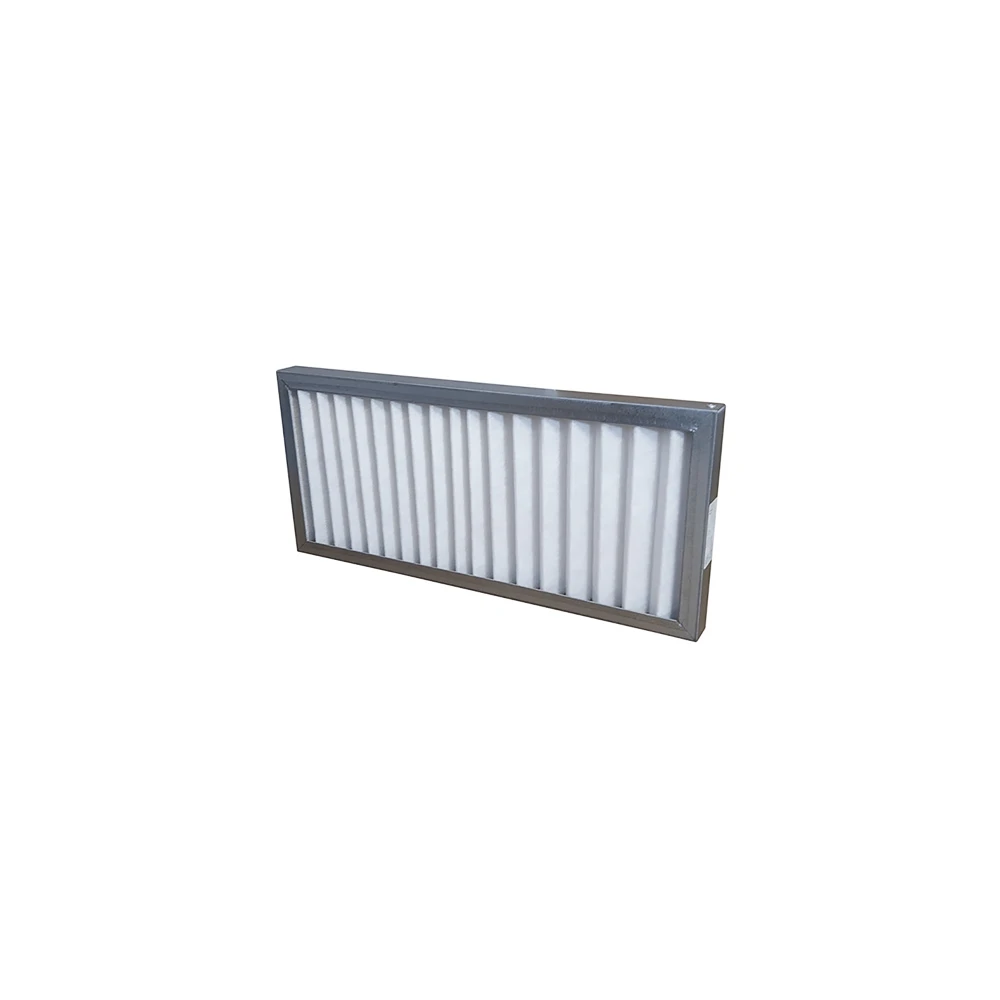
Pollen filters are an indispensable solution for people who want to take care of the purity of the air in their surroundings. They are designed primarily to eliminate pollen, which, especially in spring and summer, can be a real nuisance for allergy sufferers. Thanks to them, you can breathe more freely, without worrying about sneezing or irritated eyes.
What’s more, these filters are also excellent at dealing with other pollutants, such as dust, dust mites and fine airborne particles. This is a great solution not only for allergy sufferers, but also for those who care about health and comfort. Did you know that even at home the air can be full of microscopic intruders? Pollen filters effectively eliminate this problem.
Their application is wide – from air purifiers, to ventilation systems in homes, to car filters. It is worth paying attention to the quality of the materials they are made of, as this is what determines their effectiveness. F7 or carbon filters are some of the more popular options that guarantee high performance. But don’t forget to replace them regularly, because even the best filter loses its properties over time.
If you care about your health and comfort, pollen filters are an investment that really pays off. Breathe clean air – without compromise.
Pollen filters – the protection you need
Anyone who has ever struggled with a pollen allergy knows how bothersome the symptoms can be. Itchy eyes, sneezing, blocked nose – these are just some of the problems that can effectively make life miserable. Fortunately, there is a solution that allows you to breathe fully, even during the peak of the pollen season. We are talking about pollen filters, which effectively eliminate these tiny but persistent particles from the air. But how do they work and why are they worth having? Let’s take a closer look.
What do pollen filters actually eliminate?
Pollen is just the tip of the iceberg when it comes to pollutants that can be found in the air. Pollen filters are designed to deal with different types of fine particles that can affect our health and well-being. Here’s what they can stop:
- Tree, grass and weed pollen: The most common culprit of seasonal allergies.
- Dust and dust mites: Invisible to the naked eye, but extremely troublesome for allergy sufferers.
- Industrial pollutants: PM2.5 and PM10 particles that can penetrate the lungs.
- Animal dander: Ideal for those allergic to furry friends.
- Mold spores: Particularly problematic in humid rooms.
These filters act as an invisible barrier, stopping particles before they reach our airways. But how does this happen? All thanks to advanced filtration technology.
How do pollen filters work?
Pollen filters use different mechanisms to effectively clean the air. The most commonly used are F7 filters, which can stop as much as 60% of 1-micron particles. That’s really impressive, considering that pollen is usually between 10 and 100 microns in size. But that’s not all.
Some filter models are also equipped with carbon layers that absorb odors and volatile organic compounds (VOCs). This not only makes the air in the room cleaner, but also more pleasant to breathe. What about filters in cars? They too use similar technologies to protect us from pollen while driving.
Pollen filters in the home – is it necessary?
It may seem that closing the windows is enough to protect yourself from pollen. Unfortunately, it’s not that simple. Pollen is so fine that it can penetrate the smallest gaps and even settle on our clothes and hair. That’s why pollen filters in the home are a real game changer for allergy sufferers. They can be found in various appliances, such as:
- Air purifiers: Ideal for the living room, bedroom or children’s room.
- Air conditioners: Many modern models have built-in pollen filters.
- Ventilation systems: A great solution for the whole house.
It is worth remembering that the effectiveness of filters depends on their regular replacement. An old, clogged filter will not only not work effectively, but can become a breeding ground for bacteria and mold. Therefore, it is worth paying attention to the manufacturer’s recommendations for replacement.
Pollen filters in the car – comfort on the road.
Traveling during pollen season can be a real challenge, especially if you spend a lot of time behind the wheel. Fortunately, most modern cars are equipped with cabin dust filters. Their job is to stop pollen, dust and other contaminants before they get inside the vehicle.
However, it is worth remembering that these filters also need to be replaced regularly. Neglecting to do so can lead to a decrease in their effectiveness and even to unpleasant odors inside the car. Therefore, if you notice that the air in your car is no longer as fresh as it once was, it may be time to replace the filter.
Technology that makes a difference
Pollen filters are not just a piece of material that traps pollutants. They are high-tech products that are developed based on years of research and testing. The F7 filters mentioned earlier are just one example. Ionization technologies are also increasingly being used to help neutralize allergens and bacteria in the air. Some devices are even equipped with air quality sensors that automatically adjust the filter’s operation according to current conditions.
Why invest in pollen filters?
You might think that pollen filters are a luxury that not everyone can afford. But is it really worth saving on your health? The effects of long-term exposure to pollen and other pollutants can be serious – from chronic allergies to respiratory problems to respiratory diseases. By investing in pollen filters, we are investing in our quality of life and health.
What’s more, these filters can bring relief not only to allergy sufferers. Each of us deserves to breathe clean air, free of pollution. Doesn’t that sound like something worth having in your home or car?