Pool filters are an integral part of keeping the water clean and users comfortable. Their main task is to remove impurities, such as leaves, sand, or fine organic debris, which can quickly turn crystal clear pool water into a not-so-pleasant puddle. But have you ever wondered how it all works? It’s not magic – it’s technology.
Basically, filters are divided into several types: sand, cartridge and diatomite. Sand filters are probably the most popular – simplicity of use and durability are their main advantages. Water flows through a layer of sand, which traps impurities. Cartridge ones, although they require more frequent replacement of cartridges, cope well with fine particles. But what about diatomite ones? These are true masters of precision, although their price makes them more often used in larger, commercial pools.
And what if we forget about filtration? The water will quickly become cloudy, and the growth of algae and bacteria will be inevitable. So the filter is not only a matter of aesthetics, but also safety. It is also worth remembering that regular cleaning and maintenance of the filter will significantly extend its life. It’s a bit like a vacuum cleaner – the more often you empty it, the better it works.
It doesn’t matter if you have a small garden pool or an impressive hotel pool – the right filter is a must. Want to enjoy clean water and peace of mind? Choosing the right filter is the first step to success.
Pool filters – the key to clean and safe water
Anyone who has ever had the opportunity to use a swimming pool knows how important water quality is. Whether we’re talking about a large public pool or a small backyard garden pool, water purity is key. And this is where pool filters come into play – indispensable devices that ensure that the water is not only clear, but above all safe for health.
Why does pool water need filtration?
Pool water is an environment that, if not properly cared for, can become a habitat for bacteria, algae and other microorganisms. Even if it appears clean at first glance, it can actually contain contaminants invisible to the naked eye, such as pollen, dust and even cosmetic or sweat residue. Without proper filtration, the water becomes cloudy more quickly, and the smell becomes unpleasant. Would anyone want to bathe in such water? Not likely.
How do pool filters work?
Swimming pool filters are devices that mechanically clean the water, removing impurities from it. As the water flows through the filter, it is stripped of solid particles, such as leaves, sand and other fine impurities. It works a bit like a sieve – only at a much more advanced level. Depending on the type of filter, the process may look slightly different.
Types of swimming pool filters
There are several types of filters on the market, each with its own advantages and disadvantages. Here are the most popular ones:
- Sand filters: These are some of the most commonly used filters. Water flows through a layer of special sand that traps impurities. They are durable, efficient and relatively easy to use.
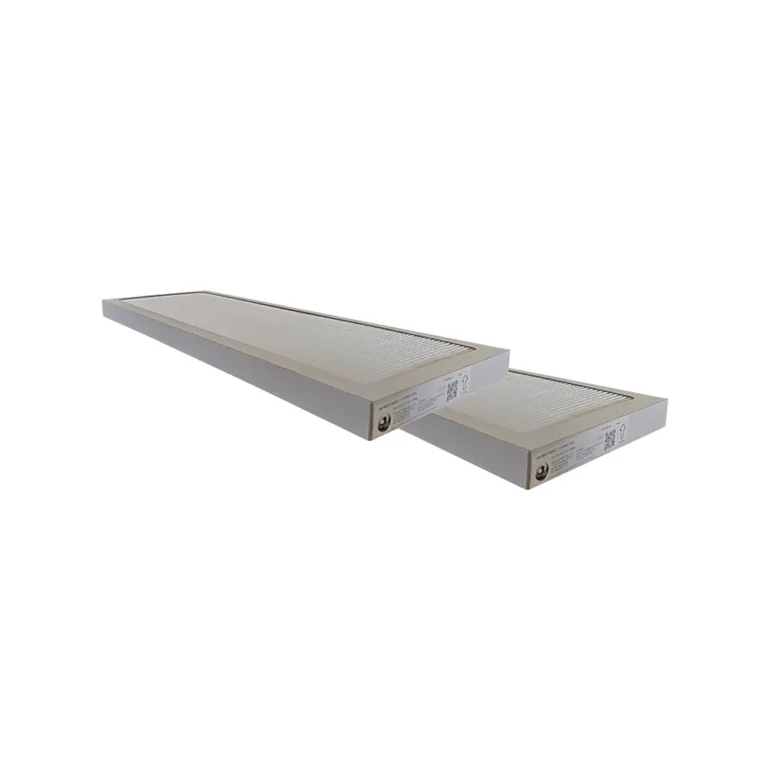
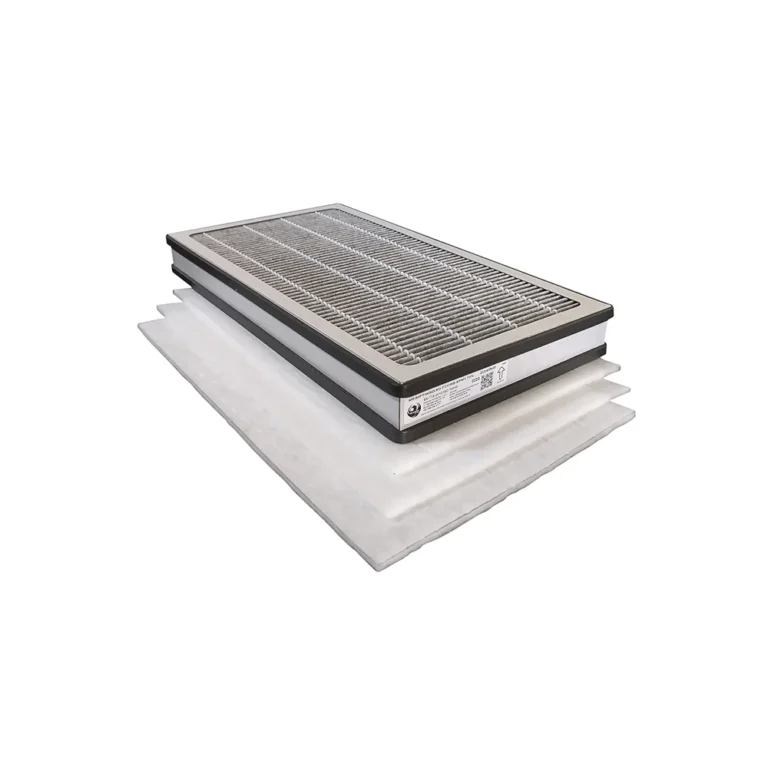
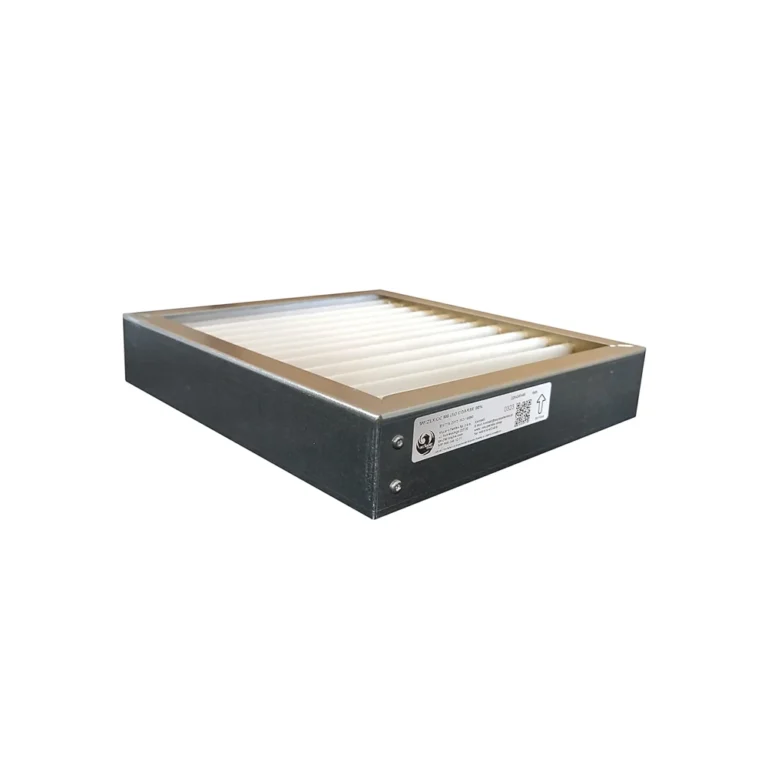
- Cartridge filters: They consist of replaceable paper or synthetic cartridges that trap dirt. They are ideal for smaller pools, but require more frequent cartridge changes.
- Diatomite filters: The most advanced, using diatomaceous earth. They provide very thorough cleaning, but are more expensive to purchase and maintain.
Sand filters – a classic among filtration systems
Sand filters are the clear leader among pool filtration systems. Their operation is based on the flow of water through a layer of quartz sand. The sand acts as a natural filter, trapping dirt particles. What’s more, sand filters are extremely durable – properly maintained they can last for many years. It is enough to carry out a process of so-called backwashing from time to time, so that the sand regains its filtering properties. Sounds simple, right?
Cartridge filters – for those who appreciate simplicity
If you have a small pool, cartridge filters can be a hit. They are easy to install and don’t take up much space. At their heart is the filter cartridge, which can be easily removed and cleaned or replaced. However, it is worth remembering that these cartridges have a limited lifespan and need to be replaced regularly – otherwise the filter will stop working effectively.
Diatomite filters – precision at the highest level
If you want crystal clear water, diatomite filters are unbeatable. Thanks to the use of diatomaceous earth, they retain even the finest impurities. After passing through such a filter, the water looks like from an advertisement – perfectly clear. However, as is usually the case, quality is followed by price. These filters are more expensive and more demanding to maintain, but for many users they are worth the price.
Is the filter enough to keep the water in perfect condition?
Pool filters are a must, but filtration alone is not enough. In order to keep the pool water really clean and safe, it is also necessary to use the right chemicals, such as chlorine or pH adjusters. The filter removes mechanical impurities, but it can’t cope with bacteria or algae. Therefore, it is worth taking care of the chemical balance of the water – this is the duo that guarantees the best results.
How to choose the right filter for your pool?
The choice of filter depends primarily on the size of the pool and its purpose. For small, garden pools, cartridge filters are often sufficient. On the other hand, for larger tanks, sand or diatomite filters will be a better solution. It is also worth paying attention to the capacity of the filter, that is, the amount of water it is able to filter per hour. The larger the pool, the higher capacity will be needed.
Maintenance of filters – is it difficult?
There’s no denying it – even the best filter requires regular maintenance. Fortunately, most pool filters are designed to make maintenance as simple as possible. Sand filters require backwashing, and cartridges in cartridge filters need to be replaced from time to time. The key is regularity – regular cleaning of the filter avoids major problems and prolongs its life.
Why invest in a good filter?
It may seem that a pool filter is just one of many pieces of equipment. But the truth is that without it, using the pool would quickly cease to be a pleasure. Clean water is not only a matter of aesthetics, but above all health. By investing in a good quality filter, you are investing in comfort and safety – for yourself and your loved ones.
Swimming pool filters are not only technology, but above all a guarantee that every bath will be relaxation in its purest form. Doesn’t that sound like a dream?