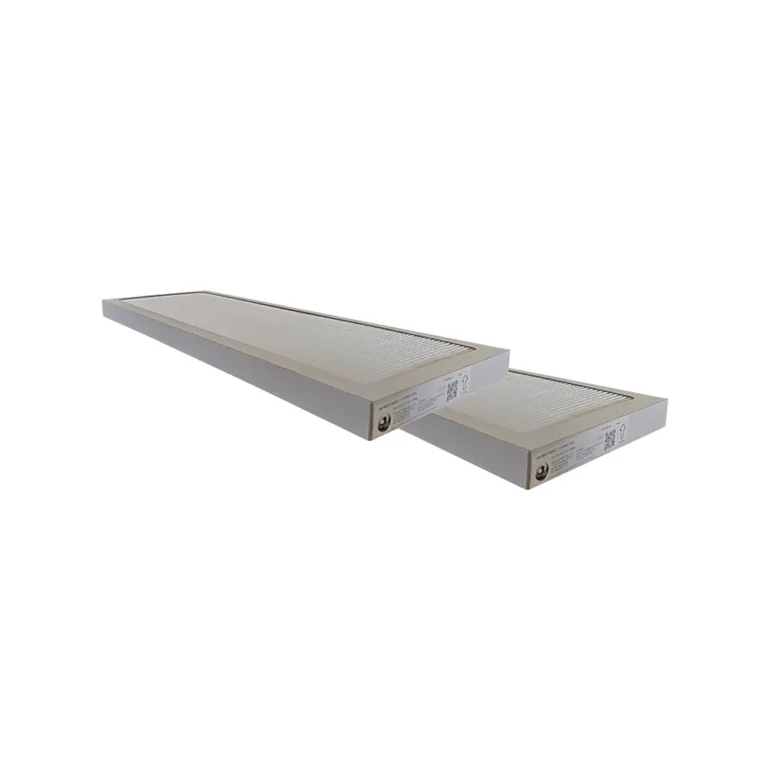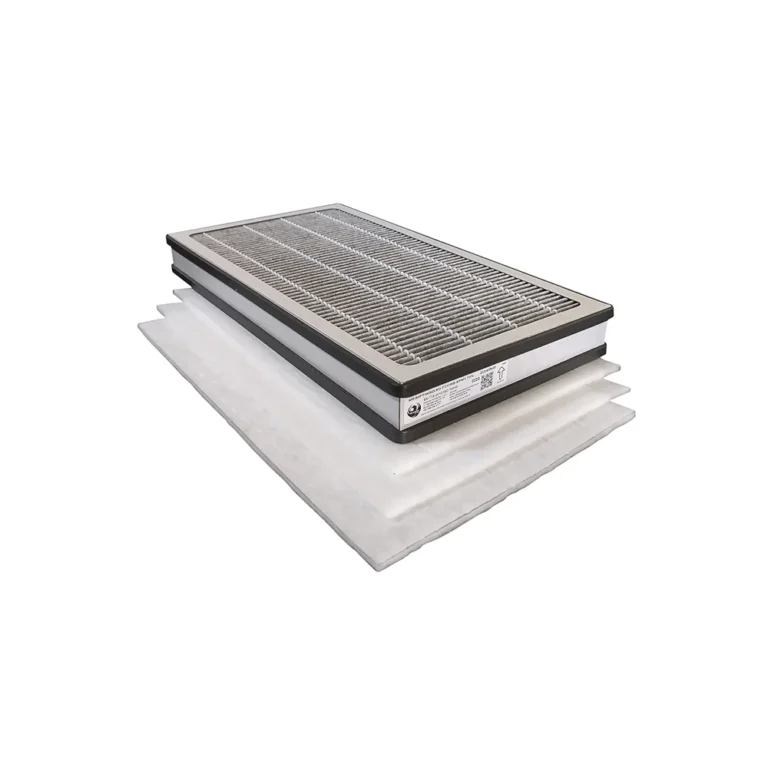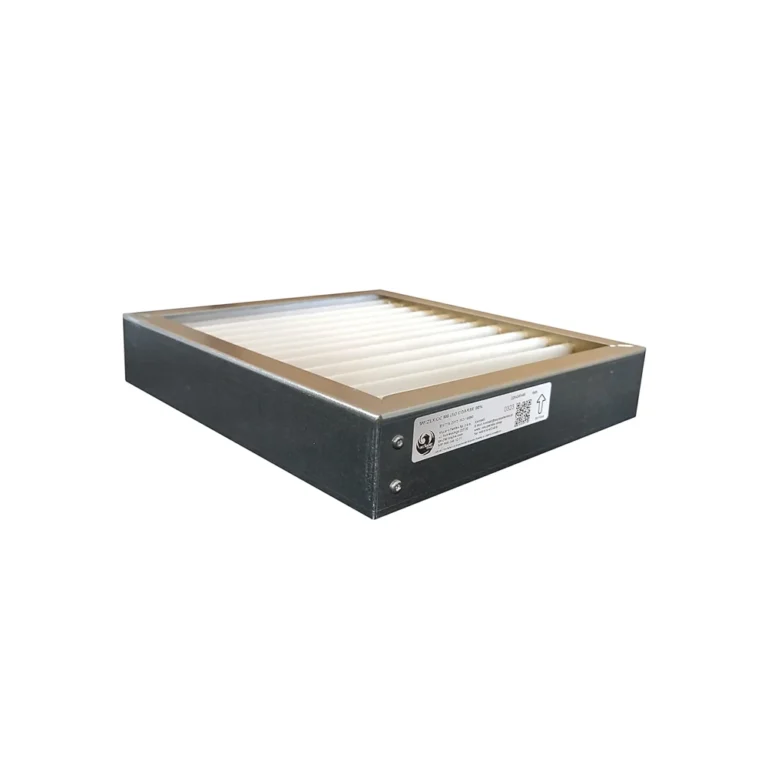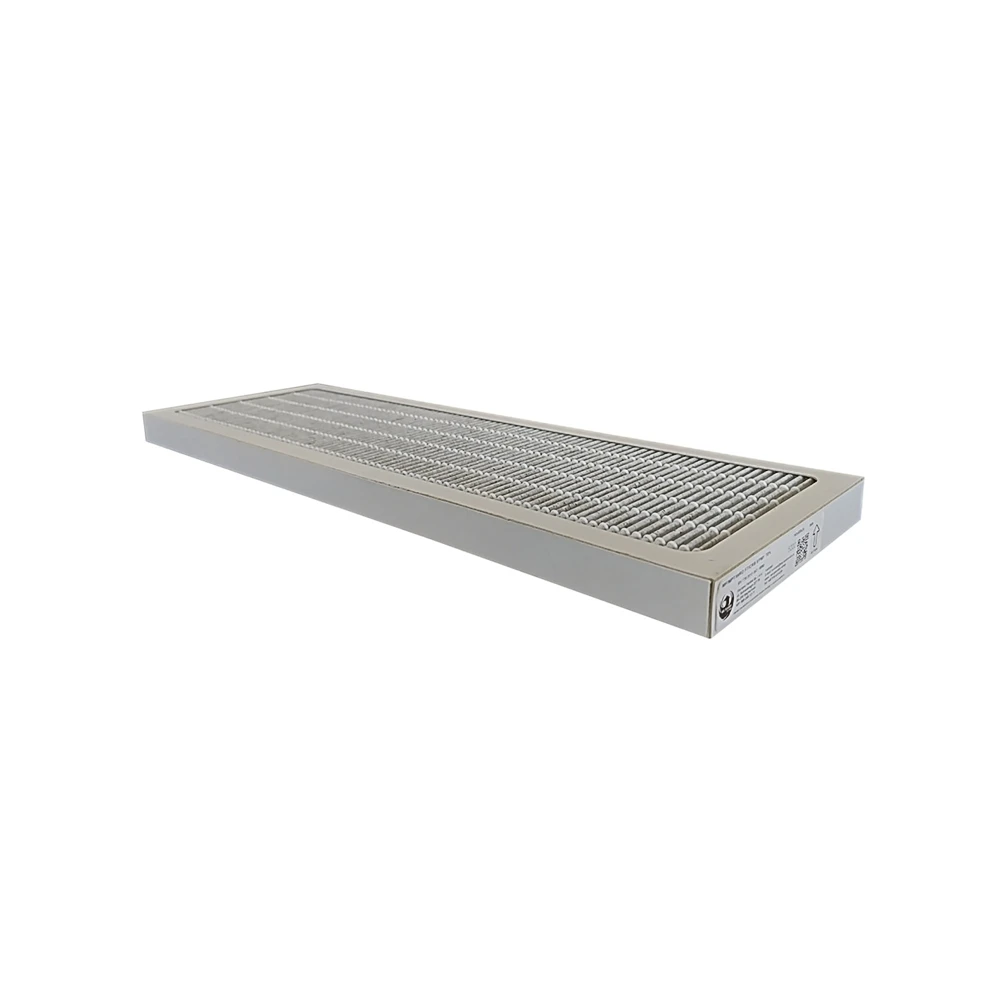
Industrial hall filters are an indispensable part of any modern production facility. Imagine a space where dust, dirt and other pollutants float in the air, affecting the health of workers and the quality of production. This is where filters come in – a quiet but highly effective tool in the fight for clean air.
The filters used in industrial halls are designed to meet different needs. Depending on the industry, they can remove fine dust particles, chemical fumes or even microorganisms. For example, in the food industry, the priority is to eliminate bacteria and other contaminants that could affect product quality. In metallurgical plants, on the other hand, removal of dust and fumes generated during metal processing is crucial.
Did you know that a properly selected filtration system can not only improve air quality, but also reduce machine operating costs? Contaminants deposited on equipment can lead to faster wear and tear. Filters help keep them in better working order, resulting in less downtime and more efficient operation.
The environmental impact is also worth mentioning. Industrial halls that use modern filtration systems emit less harmful substances into the atmosphere. It’s a small step for the company, but a giant leap for the planet.
All in all, industrial hall filters are an investment in health, efficiency and ecology. Is your hall ready for it?
Filters for industrial halls – an indispensable part of modern plants
Industrial halls are places where work is in full swing. This is where production, warehousing or logistics take place at a dynamic pace. But have you ever wondered how important it is to keep the air in such spaces clean? Filters for industrial halls aren’t just an add-on – they’re a cornerstone that affects the health of workers, the efficiency of machinery and the quality of products.
Why does the air in industrial halls need special attention?
In industrial halls, the air is often exposed to various types of contaminants. Dust, chemical fumes, dust or fine metal particles are just some of the problems that can occur. Now imagine that these particles are floating in the air that workers inhale every day. Sounds alarming, doesn’t it? It’s not just about comfort, it’s also about safety and health.
On top of that, contaminants can affect machinery and equipment. Deposited dust or metal particles can cause breakdowns, leading to downtime and costly repairs. In precision manufacturing, every tiny particle can affect the quality of the final product. That’s why industrial hall filters are an investment that pays for itself quickly.
Types of filters – what to choose?
There are many types of filters available on the market, which differ in application and efficiency. The choice of the right model depends on the specifics of the hall and the type of pollution to be dealt with. Here are some of the most popular options:
- Pre-filters: Ideal for trapping larger particles such as dust or fibers. Used as the first stage of air purification.
- Fine filters: Effective for removing finer contaminants, such as dust or micron-sized particles. Often used in production halls.
- HEPA filters: Excellent for areas where the highest air purity is required, such as in the pharmaceutical or electronics industries.
- Carbon filters: Specialized in removing odors and chemical fumes. Indispensable in halls where chemicals are used.
Each of these filters has its own unique advantages, but often the best solution is a combination of them, tailored to the specific needs of the plant.
Where are industrial hall filters used?
Industrial hall filters are used in various industries. In the food industry, they help maintain hygienic conditions by preventing dust or bacteria from getting into products. In the pharmaceutical industry, they ensure sterility, which is crucial for the quality of medicines. In production halls where CNC machines operate, filters protect both equipment and workers from fine metal particles.
Don’t forget warehouses and logistics centers. While it may seem that the air there is not so polluted, dust and dust can affect the operation of automated systems, such as warehouse robots and conveyor belts. In such places, filters are equally important.
How do you choose the right filter?
Choosing the right filter is the key to success. Several factors need to be taken into account:
- Type of contamination: Is it dust, chemical fumes, or perhaps metal particles?
- Size of the hall: The larger the space, the more efficient the filters must be.
- Industry specifics: In the food industry, the requirements will be different than in heavy industry.
- Frequency of replacement: Some filters require more frequent maintenance, which is worth factoring into the cost of operation.
It is worth consulting with experts who can help you choose the best solution. Sometimes it is better to invest in a more expensive but more effective filter than to incur costs later due to failures or poor quality products.
Regular maintenance – the key to efficiency
Even the best filter will not do its job if it is not properly maintained. Regular replacement of cartridges, inspection of the condition are the basic activities that ensure the effectiveness of the filter system. Neglecting this aspect can lead to a decrease in efficiency and even damage to the entire ventilation system.
It is also worth monitoring the air quality in the hall. This allows you to react quickly to any changes and adjust the filtration system to current needs.
Ecology and economy – do they go together?
More and more companies are paying attention to ecological aspects. Industrial hall filters can be part of a sustainable development strategy. Choosing energy-efficient filter systems not only reduces CO2 emissions, but also lowers operating costs. Some filters are also made of recyclable materials, further reducing their environmental impact.
Energy conservation is another aspect worth considering. Modern filtration systems are designed to minimize airflow resistance, resulting in lower fan energy consumption.
An investment in the future
Industrial hall filters are not just a piece of equipment – they are an investment in health, safety and efficiency. Thanks to them, you can ensure better working conditions, protect machinery and equipment, and take care of product quality. Choosing the right filter, maintaining it regularly and considering environmental aspects are steps that benefit both the company and the environment.